
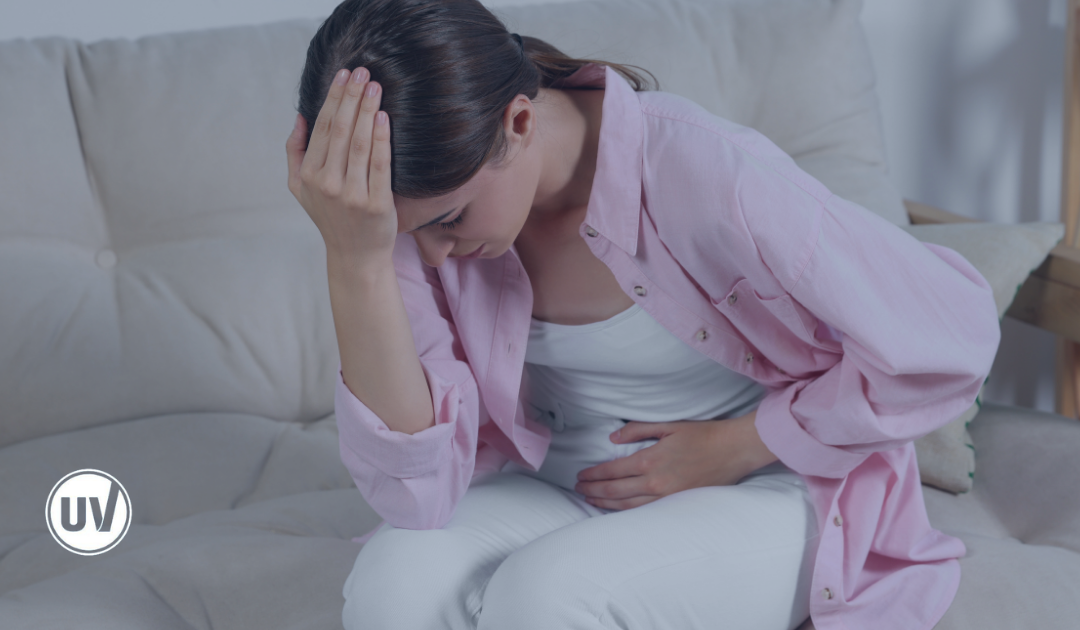
Sudden pelvic pain can be alarming, especially when it appears without warning and disrupts your daily life. While many conditions can cause pelvic discomfort, one often-overlooked culprit is a pedunculated fibroid, a type of uterine fibroid attached to the uterus by a thin stalk. Although uterine fibroids are common and usually cause gradual symptoms, pedunculated fibroids can sometimes trigger sharp, intense pain when they twist on their stalk and cut off their own blood supply.
Understanding the signs and symptoms of pedunculated fibroids is an important step toward finding answers and relief.
Understanding Uterine Fibroids and Their Types
Uterine fibroids are quite common among women, especially those of childbearing age. They are non-cancerous tumors that can vary significantly in size and location within the uterus. Fibroids develop when muscle and fibrous tissue in the uterus grow abnormally.
There are several types of uterine fibroids, each differing in how they form in or on the uterus:
- Intramural fibroids grow within the muscular uterine wall.
- Subserosal fibroids extend beyond the uterine wall, potentially affecting nearby organs.
- Submucosal fibroids project into the uterine cavity, possibly causing heavier menstrual bleeding.
Pedunculated fibroids are unique because they develop on stalks, much like mushrooms. These fibroids can protrude either into the uterine cavity or toward the outer surface of the uterus. Understanding these types helps in recognizing symptoms and determining the best treatment approach. Each type can affect the body differently and requires careful consideration in managing fibroid-related symptoms.
What Are Pedunculated Fibroids?
Pedunculated fibroids are distinctive due to their stalk-like projections. These fibroids attach to either the inside or outside of the uterus by a slender stalk. Much like a mushroom head on a stem, the fibroid can move or twist.
This type of fibroid can either grow into the uterine cavity or extend outward. Both positions can cause different sets of symptoms and complications. The mobility of the fibroid on its stalk is a key factor in symptom development.
When pedunculated fibroids twist, they can cut off their own blood supply. This can lead to a sudden onset of severe pelvic pain, a condition called fibroid degeneration. The body’s reaction to a twisted stalk can be swift and cause noticeable discomfort.
Key characteristics of pedunculated fibroids include:
- Attachment via a slender stalk.
- Potential to move or twist.
- Located either externally or internally on the uterus.
Understanding these traits aids in managing symptoms effectively and deciding on appropriate treatments.
Why Do Pedunculated Fibroids Cause Sudden Pelvic Pain?
Sudden pelvic pain from pedunculated fibroids often results from a twist in the fibroid’s stalk. This twist can lead to a situation where the blood supply is compromised. Without sufficient blood flow, the fibroid can begin to degenerate, causing intense discomfort.
This degeneration process is the body’s natural response to a lack of blood supply. As the fibroid tissue breaks down, inflammation and swelling may occur. These changes in the fibroid can trigger sharp or severe pelvic pain.
Not all fibroids experience this complication. However, when it happens, the pain can be abrupt and alarming. It may radiate to other areas such as the abdomen or back.
Symptoms that may accompany the sudden pain include:
- Nausea or vomiting.
- Fever as the body reacts to inflammation.
- Increased tenderness in the lower abdomen.
- Pain during intercourse or specific movements.
Understanding these potential symptoms can help in recognizing when to seek medical advice. Early intervention can help manage the pain and prevent further complications. Taking note of any sudden changes is crucial to maintain overall health and comfort.

Recognizing Symptoms of Pedunculated Fibroids
Recognizing symptoms of pedunculated fibroids can be challenging. Often, these fibroids start with subtle signs. Over time, symptoms may become more noticeable and disrupt daily activities.
The symptoms vary among individuals. They can range from mild to severe, depending on the fibroid’s size and location. Those affected may experience different combinations of symptoms.
Common symptoms include:
- Pelvic pain or discomfort, either constant or intermittent.
- Pressure in the pelvic area, leading to a sensation of fullness.
- Changes in menstruation, such as heavier or prolonged periods.
- Frequent urination due to bladder pressure from the fibroid.
Some women may also experience lower back pain or pain during intercourse. Occasionally, bloating and abdominal swelling can occur, particularly with larger fibroids. It’s important to monitor any new or worsening symptoms.
If you notice these symptoms, it’s wise to consult a fibroid vascular specialist. Early diagnosis helps in managing the condition effectively. Understanding what to look for empowers you to seek timely medical guidance.
How Are Pedunculated Fibroids Diagnosed?
Diagnosing pedunculated fibroids involves several steps. A healthcare provider will start with a detailed medical history and a physical exam. They focus on identifying any symptoms indicative of fibroids.
Imaging tests play a crucial role in diagnosis. These tests help visualize the fibroids and assess their size and location. Common diagnostic tools include:
- Pelvic Ultrasound: Provides images of the uterus using sound waves.
- MRI Scan: Offers a detailed view of fibroid size and positioning.
- Pelvic Exam: Allows the provider to feel for abnormalities.
These diagnostic methods ensure accurate detection of fibroids. Getting a timely diagnosis is essential for effective management. Based on the results, healthcare providers can discuss appropriate treatment options.
Treatment Options for Pedunculated Fibroids
Pedunculated fibroids can be managed with various treatments. Choices depend on symptoms, size, and the desire for future pregnancies. It’s essential to discuss options with a healthcare provider.
Some individuals may opt for watchful waiting. This approach works when symptoms are mild and not disruptive. Regular monitoring ensures timely intervention if symptoms progress.
For those needing more intervention, medication is an option. Medications can help control symptoms and may include:
- Hormonal therapies: Regulate menstrual cycles and shrink fibroids.
- Non-hormonal options: Pain relievers for managing discomfort.
In more severe cases, procedures are necessary. These include both minimally invasive and surgical techniques.
Discussing the pros and cons of each treatment with a healthcare provider is crucial. Factors like age, fibroid size, and health status influence the choice. Personalized treatment plans offer the best outcomes. Emotional support and counseling can also aid in navigating treatment decisions.
Minimally Invasive Treatments
Minimally invasive procedures offer effective solutions with less downtime. Such treatments focus on relieving symptoms while preserving uterine health.
Uterine Fibroid Embolization (UFE): A popular choice, FAE cuts off blood supply to fibroids, causing them to shrink.
Consider the following benefits of minimally invasive treatments:
- Reduced recovery time
- Fewer complications
- No major surgical incisions
Discussing these options with a healthcare provider ensures alignment with personal health goals.
Surgical Options
Surgery may be necessary for larger or symptomatic fibroids. There are several surgical options available, depending on the individual’s needs.
Myomectomy: Removes fibroids while keeping the uterus intact, suitable for those wishing to maintain fertility.
Hysterectomy: An option for women who are done having children and want a permanent solution.
Both procedures can effectively relieve symptoms. Understanding the risks and benefits of surgery is essential before proceeding.
Consider the following surgical advantages:
- Permanent removal of fibroids
- Relief from severe symptoms
- Possibility of reduced fibroid recurrence
Detailed discussions with healthcare providers ensure informed decisions about surgical interventions.
Managing Pain and Daily Life with Pedunculated Fibroids
Living with fibroids involves managing pain and balancing daily life. Many find relief with over-the-counter pain medications. These can reduce discomfort during flare-ups.
Incorporating lifestyle changes also helps. Simple strategies can enhance comfort and improve quality of life:
- Heat therapy: Warm baths or heating pads soothe pain.
- Regular exercise: Light activities ease stress and improve circulation.
- Healthy diet: Focus on fruits, vegetables, and whole grains.
Effective pain management is a blend of therapies and supportive routines. Engaging in stress-reducing activities further aids in coping. Consulting healthcare providers ensures that pain management plans address personal needs comprehensively. Empowerment comes from understanding and addressing symptoms, fostering resilience and well-being.
When to Seek Medical Attention
Sudden changes or severe symptoms can indicate complications. Prompt medical attention ensures timely intervention and care.
Be sure to contact a healthcare provider if you experience:
- Intense pelvic pain.
- Heavy or prolonged bleeding.
- Rapid fibroid growth.
Early intervention helps manage symptoms effectively. Never hesitate to reach out with concerns about your health. Staying informed and proactive supports positive outcomes.
Frequently Asked Questions
Yes. A pedunculated fibroid can cause sudden and intense pelvic pain if it twists on its stalk, a condition known as torsion. This can restrict blood flow to the fibroid and may require prompt medical evaluation.
A healthcare provider may use imaging tests such as ultrasound or MRI to identify the size, location, and type of fibroid. These tests can help determine whether a fibroid is pedunculated and if it may be contributing to your symptoms.
Treatment options depend on the size of the fibroid, the severity of symptoms, and your overall health goals. Options may include monitoring, medication to manage symptoms, or minimally invasive procedures such as uterine fibroid embolization (UFE) to shrink fibroids and provide relief.
Take Control of Your Fibroid Journey
Living with fibroids can be challenging, but you don’t have to navigate it alone. Understanding your symptoms, exploring your treatment options, and seeking support can help you feel more confident and in control of your health. If sudden pelvic pain or other fibroid-related symptoms are affecting your quality of life, it’s important to speak with a specialist who can help identify the cause and recommend the most appropriate treatment plan.
At United Fibroid & Vascular Centers, our team is dedicated to helping women find lasting relief through minimally invasive fibroid treatments. By advocating for your health and partnering with experienced providers, you can take meaningful steps toward reducing symptoms, improving your well-being, and getting back to the life you enjoy. Schedule a consultation today!