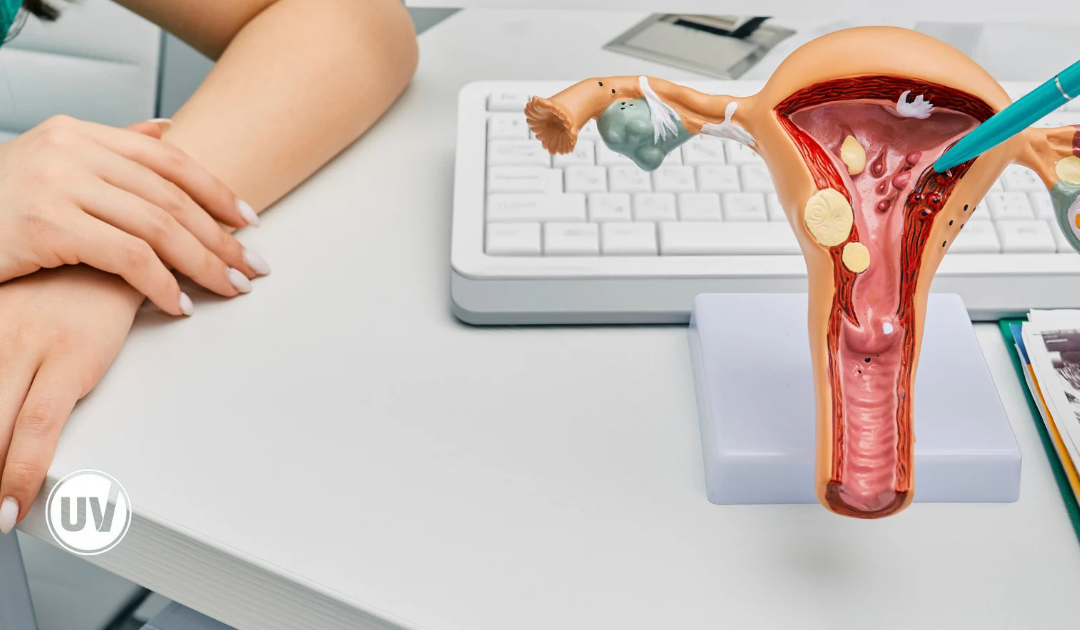
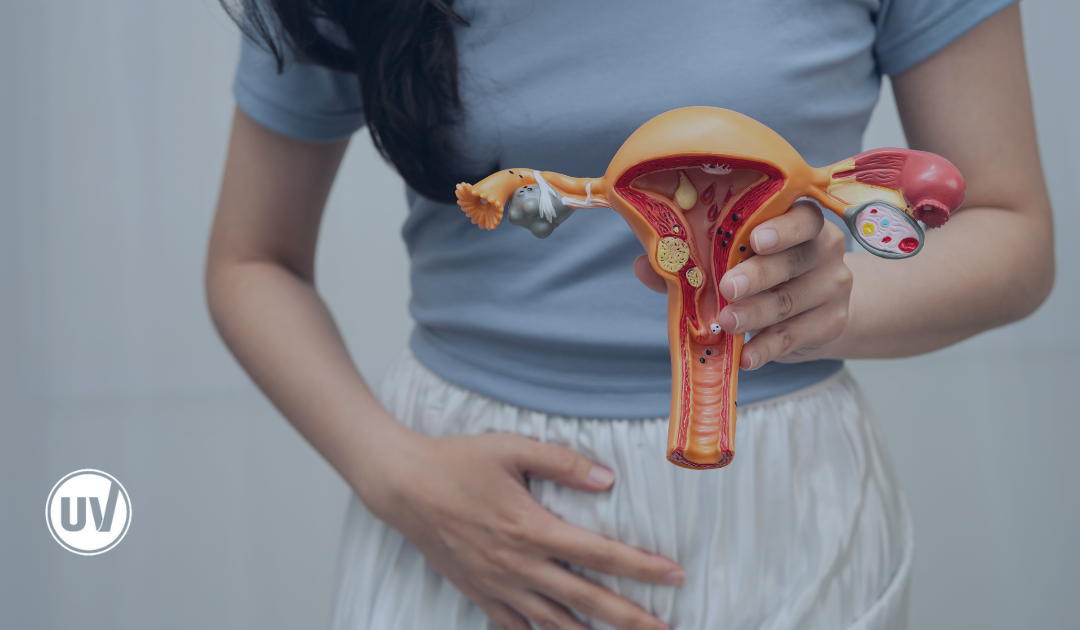
Cervical polyps and uterine fibroids are both growths that can affect reproductive health, but they develop in different places and from different types of tissue. Cervical polyps grow on the cervix, while fibroids develop from the muscle of the uterus. Their symptoms...
Searching for the best fibroid specialist near me can feel overwhelming, especially when heavy periods, pelvic pressure, pain, bloating, or fertility concerns are affecting your daily life. Finding the right specialist is about more than choosing the closest office....
If you’ve been diagnosed with a uterine fibroid, you may be wondering, “How fast do fibroids grow?” The answer varies. Some fibroids grow slowly, some grow in spurts, and others stay the same size or even shrink over time. Fibroid growth can also vary between fibroids...
If you have ever searched “Do I have fibroids or endometriosis?” while dealing with painful periods, bloating, or pelvic discomfort, you are not alone. Many people struggle to understand whether their symptoms are part of a normal menstrual cycle or a sign of an...
Feeling exhausted after a busy week is normal. Between work, family responsibilities, and everyday stress, many people experience days when they feel drained. But what happens when fatigue becomes your normal? When you wake up tired, struggle to focus, skip activities...
If you’ve been dealing with persistent lower back pain, a bloated abdomen that won’t go away, or a constant feeling of pelvic pressure, you may be wondering what’s causing your symptoms. While digestive issues or muscle strain are common culprits,...
Are your periods becoming heavier than they used to be? Do you constantly feel bloated, experience pelvic pressure, or find yourself running to the bathroom more often than usual? While these symptoms can have several causes, they may also be signs of uterine...
Not all fibroids cause the same symptoms, and where a fibroid grows can make a significant difference in how it affects your daily life. While some women experience heavy menstrual bleeding, others may struggle with pelvic pressure, frequent urination, constipation,...
Sudden pelvic pain can be alarming, especially when it appears without warning and disrupts your daily life. While many conditions can cause pelvic discomfort, one often-overlooked culprit is a pedunculated fibroid, a type of uterine fibroid attached to the uterus by...
Heavy periods are often normalized, but when bleeding becomes consistently heavy, prolonged, or disruptive, it may point to something more than a typical menstrual cycle. One possible cause is submucosal fibroids. These are non-cancerous growths that develop just...