

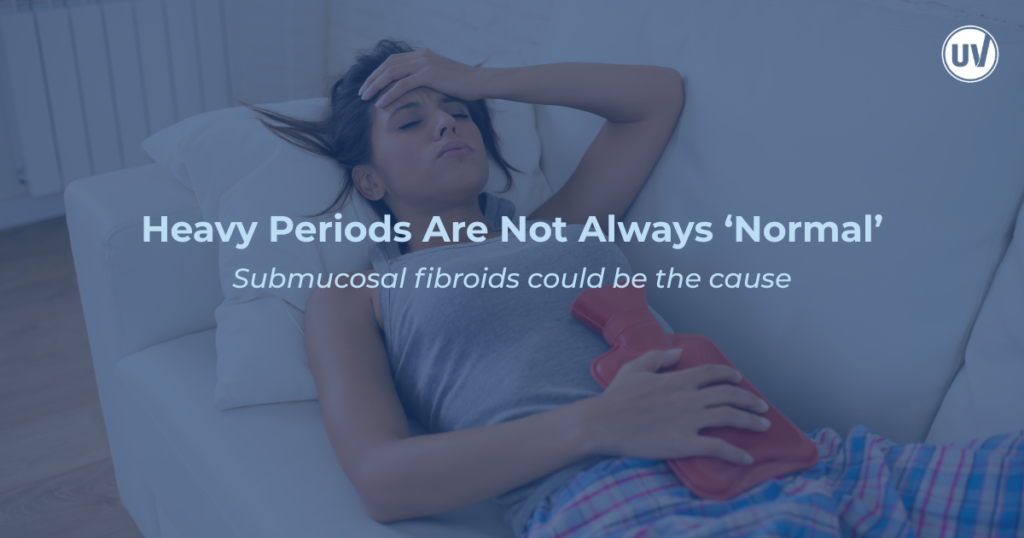
Heavy periods are often normalized, but when bleeding becomes consistently heavy, prolonged, or disruptive, it may point to something more than a typical menstrual cycle.
One possible cause is submucosal fibroids. These are non-cancerous growths that develop just beneath the lining of the uterus, where they can directly affect menstrual flow. Because of their location, even small fibroids can lead to significantly heavier bleeding and worsening cycle symptoms over time.
The key issue is that many women do not realize there is an underlying cause. Heavy periods are frequently managed with short-term solutions rather than investigated further.
Recognizing the signs early can make a meaningful difference, especially since submucosal fibroids are treatable and there are minimally invasive options that address the source of the problem rather than just the symptoms.
What Are Submucosal Fibroids?
Submucosal fibroids are a type of uterine fibroid. These growths develop just beneath the inner lining of the uterus. Unlike other fibroids, they mainly affect the uterine cavity.
Women with these fibroids often experience heavier periods. This is due to their location, which disrupts the normal uterine lining. Submucosal fibroids are particularly significant because of their potential impact on menstruation and fertility.
Key characteristics of submucosal fibroids include:
- Growth just beneath the uterine lining
- Potential to cause heavy menstrual bleeding
- Possible effect on fertility and pregnancy
Understanding what these fibroids are is essential for choosing a treatment path. Their impact on menstruation can disrupt daily life, making knowledge of their nature crucial. By identifying these fibroids early, women can access suitable care and explore effective treatment options.
How Submucosal Fibroids Cause Heavy Periods
Submucosal fibroids cause heavy periods by altering the uterine environment. Their position beneath the lining increases blood flow during menstruation. This results in heavier and longer periods than usual.
These fibroids distort the uterine cavity. This distortion affects the natural shedding process of the uterine lining. As a result, women may experience more significant bleeding during their menstrual cycles.
Key effects of submucosal fibroids on menstruation include:
- Increased duration and volume of menstrual bleeding
- More frequent need to change sanitary products
- Greater risk of developing anemia due to blood loss
This heavy bleeding can significantly impact daily activities. Women may feel fatigued and need to schedule their routine around their menstrual cycle. The emotional toll can be significant as well, prompting feelings of frustration and anxiety.
Recognizing the link between fibroids and heavy periods is crucial. It can lead to early diagnosis and treatment, alleviating symptoms and improving quality of life. Understanding these changes can empower women to seek the care they need.
Recognizing the Signs: When Heavy Periods May Be Due to Submucosal Fibroids
Recognizing when heavy periods are linked to submucosal fibroids is important for timely intervention. Often, these fibroids cause a noticeable change in menstrual patterns. Women may need to change their sanitary products more frequently than usual.
Symptoms beyond heavy bleeding can indicate submucosal fibroids. Women might experience prolonged periods lasting more than seven days. This excessive length combined with flow can signal potential fibroid issues.
Accompanying symptoms can include:
- A sense of pelvic pressure or fullness
- Abdominal pain or discomfort during menstruation
- Significant fatigue and weakness due to anemia
Paying attention to these signs helps identify fibroid-related menstrual changes. Early detection allows for more treatment options with potentially more effective outcomes. It’s crucial not to dismiss these symptoms as merely “heavy flow.”
If you notice any unusual changes, it’s wise to consult with a healthcare provider. Open discussions can lead to appropriate diagnostic tests and personalized care. This proactive approach ensures better management of symptoms and a return to improved quality of life.
Other Symptoms of Submucosal Fibroids
In addition to heavy periods, submucosal fibroids can cause a range of other symptoms. These can affect various aspects of daily life. Awareness of these symptoms is crucial for recognizing fibroid presence.
Women may experience pelvic discomfort unrelated to menstruation. This pressure can persist and lead to chronic pain or discomfort. It may disrupt normal activities or lead to fatigue.
Other common symptoms include:
- Frequent urination due to pressure on the bladder
- Backache or leg pain
- Bloating or noticeable swelling in the lower abdomen
Understanding these symptoms helps in distinguishing between normal discomfort and those related to fibroids. Prompt medical evaluation ensures accurate diagnosis and effective management. Seeking guidance early can alleviate symptoms and improve overall well-being.
Diagnosing Submucosal Fibroids
Diagnosing submucosal fibroids begins with a detailed medical history and physical exam. Your healthcare provider may inquire about your menstrual cycle and related symptoms. This information is vital for a thorough assessment.
Imaging tests are often used to confirm the presence of fibroids. Ultrasound and MRI are the most common diagnostic tools. These tests provide detailed images of the uterus and can confirm fibroid size and location.
Your healthcare provider might also recommend:
- Pelvic examination to evaluate the uterus
- Blood tests to check for anemia
- Hysteroscopy to inspect the inside of the uterus
Accurate diagnosis is essential for developing an effective treatment plan. Early detection allows for more treatment options and better outcomes. Always discuss any concerns or symptoms with your healthcare provider promptly. This proactive approach supports optimal care and management of fibroids.
Who Is at Risk for Submucosal Fibroids?
Understanding the risk factors for submucosal fibroids can guide early detection and management. Some women are more likely to develop fibroids due to genetic and lifestyle factors.
Key risk factors include:
- Being of African American descent
- Having a family history of fibroids
- Age, particularly women in their 30s and 40s
Hormonal factors also play a significant role in fibroid development. Estrogen and progesterone influence their growth. Women with higher levels of these hormones may be at increased risk. Additionally, obesity and diet can also contribute to fibroid risk. Maintaining a healthy lifestyle may help manage these risks effectively. Regular check-ups can support early detection and intervention.
Treatment of Submucosal Fibroids: Options and What to Expect
Treating submucosal fibroids often involves a mix of medical and procedural interventions. The choice depends on symptoms, fibroid size, and personal preferences.
Surgical Options
When symptoms are severe, surgery might be recommended. A myomectomy removes fibroids while keeping the uterus intact. This is beneficial if you wish to preserve fertility.
Focus on Fertility
If preserving fertility is important, less invasive surgeries may be ideal. Discuss with your doctor about the best choices for your needs.
Potential Side Effects
It’s important to discuss potential side effects of each treatment option. This ensures you are prepared for what to expect and can make a well-informed decision.
Regular follow-ups with your healthcare provider are critical. Monitoring after treatment helps manage symptoms effectively and address any recurrences.
Minimally Invasive Treatments for Submucosal Fibroids
For a less intrusive approach, minimally invasive treatments offer promising results. These methods often involve shorter recovery times.
Available Minimally Invasive Options
Key options include:
- Hysteroscopic Myomectomy: Specifically targets submucosal fibroids.
- Uterine Fibroid Embolization: Cuts off the blood supply to the fibroids, causing them to shrink.
- Radiofrequency Ablation: Destroys fibroid tissue with energy waves.
Each option has its own merits and potential risks. Consulting a specialist can help you choose the right treatment. Always discuss your goals and concerns with your healthcare provider to ensure the best outcome.
Living with Submucosal Fibroids: Support and Self-Care
Living with submucosal fibroids may feel challenging, but support and self-care can make a difference. It’s important to prioritize your well-being and manage symptoms effectively.
Key Self-Care Tips
Consider these practical self-care strategies:
- Maintain a balanced diet
- Ensure regular physical activity
- Manage stress through relaxation techniques
When to See a Vascular Specialist and What to Ask
Recognizing when to consult a vascular specialist is crucial for effective fibroid management. Seek medical advice if you’re experiencing heavy bleeding or pelvic pain.
It’s helpful to prepare questions ahead of your appointment. Consider asking your doctor:
- What tests will diagnose submucosal fibroids?
- What treatment options suit my condition?
- How will this condition affect my reproductive health?
Engaging in open dialogue with your healthcare provider ensures you receive personalized care. Don’t hesitate to express your concerns and treatment preferences, as this will guide your healthcare journey.
Frequently Asked Questions
Heavy periods that are consistently prolonged, require frequent changing of protection, or are accompanied by pelvic pressure or fatigue may be linked to submucosal fibroids. An imaging test such as an ultrasound is typically needed for confirmation.
Yes. Because they grow just beneath the uterine lining, submucosal fibroids can interfere with implantation and may increase the risk of fertility challenges. Not all fibroids impact fertility, but their location makes them more likely to do so compared to other types.
Treatment depends on symptoms, fibroid size, and personal goals. Options may include hysteroscopic removal or minimally invasive procedures like uterine fibroid embolization, which targets fibroids without traditional surgery.
Empowering Your Fibroid Journey
Understanding submucosal fibroids gives you clarity on what is happening in your body and more control over what comes next. Heavy periods and disruptive symptoms are not something you have to simply manage month after month without answers.
Every experience with fibroids is different, which is why a personalized evaluation matters. The right approach depends on your symptoms, your health goals, and how much your daily life is being affected.
If you are ready to take the next step, United Fibroid & Vascular Centers can help you understand your options and build a treatment plan that fits your needs.