

Uterine fibroids are a common concern for many women. Because fibroids can change in size, number, and impact over time, regular follow-up is key to staying on top of your health.
The right follow-up schedule depends on factors like fibroid size, symptoms, and treatment plans. Some women may only need annual check-ins, while others may require more frequent monitoring. Imaging tests like ultrasounds or MRIs help track changes and guide treatment decisions.
Staying proactive with fibroid evaluations ensures you get personalized, effective care and peace of mind about your health.
Understanding Uterine Fibroids and Their Impact
Uterine fibroids are non-cancerous tumors that grow in or on the uterus. While they are generally benign, their presence can cause significant symptoms. These symptoms may impact daily life.
Many women with fibroids experience no symptoms. However, when symptoms do occur, they can be quite disruptive. Common symptoms include:
- Heavy menstrual bleeding
- Prolonged periods
- Pelvic pain or pressure
- Frequent urination
The exact cause of fibroids is not well understood. However, hormones and genetics seem to play a key role. Risk factors include age, family history, and ethnicity.
Fibroids can also impact fertility in some women. They may interfere with conception or lead to complications during pregnancy. Their location and size determine this impact.
Understanding fibroids and their potential effects is crucial. It helps guide management decisions. By recognizing symptoms early, women can seek timely medical advice.
Regular monitoring is key to managing fibroids effectively. Knowledge empowers women to make informed choices about their health.
Why Regular Fibroid Re-Evaluation Is Important
Regular re-evaluation of fibroids is essential. It ensures that any changes are detected early. This proactive approach aids in better management.
As fibroids can change in size and number, regular check-ups help monitor these aspects. This allows for adjustments in treatment plans as needed. Not all fibroids require treatment, but careful monitoring is important.
There are several reasons why consistent follow-up matters:
- To track growth or regression
- To assess symptom changes
- To evaluate treatment effectiveness
Symptom severity can change over time. Regular evaluations help identify these changes promptly. This ensures symptoms remain manageable.
Recurring fibroids can develop even after treatment. Early detection of new or growing fibroids allows for timely intervention. This minimizes potential complications.
Moreover, follow-up appointments offer a chance to discuss new symptoms. Open communication with healthcare providers is key. It provides an opportunity to address any concerns or questions.
Importantly, consistent re-evaluation builds a trusting patient-provider relationship. This partnership supports optimal fibroid management. It empowers women to take charge of their health decisions.
How Often Should Fibroids Be Re-Evaluated?
Determining how often fibroids should be re-evaluated depends on several factors. Each individual’s case is unique. Healthcare providers tailor follow-up schedules to meet specific needs.
Generally, for women with asymptomatic fibroids, an annual check-up might suffice. This ensures monitoring without burdening patients with unnecessary visits. However, vigilance remains crucial.
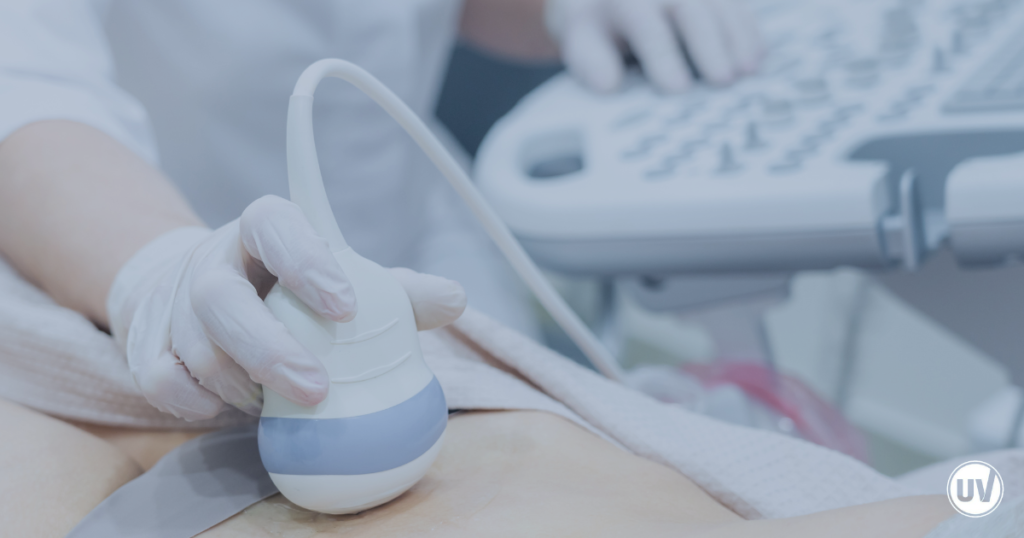
Symptomatic fibroids often require more frequent assessments. Women experiencing significant symptoms such as heavy bleeding or pain might see their healthcare provider every few months. This allows for timely treatment adjustments.
Several factors influence follow-up frequency. These include:
- Fibroid size and number
- Severity of symptoms
- Chosen treatment plan
When undergoing treatment, especially minimally invasive options like Uterine Fibroid Embolization (UFE), close monitoring is vital. Post-procedural follow-ups often occur at intervals like three and six months. This ensures the treatment’s success and addresses any side effects.
Post-treatment, follow-up can vary based on individual responses. Some women need more frequent evaluations to confirm the fibroids remain stable or shrinking.
Other considerations might include a woman’s age, reproductive plans, and personal health history. Hormonal shifts during events like menopause can also affect fibroid behavior and thus follow-up frequency.
Ultimately, the goal is efficient monitoring tailored to individual health circumstances. Women are encouraged to maintain open dialogue with their healthcare providers. This collaborative approach ensures that follow-up care is both effective and patient-centered.
Factors That Influence Fibroids Follow-Up Frequency
The frequency of fibroid follow-up appointments can vary considerably. It’s influenced by several key factors unique to each patient. Understanding these can help women anticipate their needs.
A primary factor is the size and number of fibroids present. Larger or multiple fibroids might necessitate closer monitoring. This ensures any changes are caught early.
Symptom severity also plays a crucial role. When symptoms significantly affect daily life, more frequent follow-ups are often advised. This allows for timely interventions and management.
Here’s a list of factors influencing follow-up frequency:
- Size and number of fibroids
- Severity and persistence of symptoms
- Type and success of treatment
- Patient’s age and reproductive plans
- Hormonal influences, such as menopause
Treatment type impacts how often you see your healthcare provider, too. Minimally invasive procedures might involve several post-treatment visits to track their effectiveness.
Lastly, personal health and lifestyle choices, including diet and exercise, influence fibroid progression. These factors help determine the need for follow-up adjustments over time. Properly managing these elements can enhance overall fibroid care.
What Happens During a Fibroid Follow-Up Appointment?
Fibroid follow-up appointments involve a few key steps. Each visit is an opportunity to assess the situation and make necessary adjustments. The process usually starts with a discussion about symptoms.
The healthcare provider will ask about any new or worsening symptoms. This could include changes in menstrual cycles, pelvic discomfort, or anemia-related fatigue. Open communication here is vital.
Next, a physical examination may take place. This helps the doctor feel for fibroid changes in size or number. Imaging tests often follow to provide a detailed view.
Common imaging methods are ultrasound and MRI. These help in tracking fibroid growth or shrinkage over time. Your healthcare provider uses these images to guide treatment decisions.
Discussions around treatment effectiveness are typical during these visits. Assessing whether current strategies are working guides future care plans. Adjusting medications or considering new treatments might be necessary.
Remember, each follow-up appointment is tailored to your needs. Engaging actively in these discussions empowers you to take charge of your fibroid health.
Monitoring for Recurring Fibroids: What to Know
The possibility of recurring fibroids is a common concern. Once removed or treated, fibroids can sometimes return. This makes monitoring essential for long-term management.
Recurring fibroids may not always cause symptoms immediately. Therefore, regular check-ups help detect changes early. Awareness is key to effective management.
Factors contributing to recurrence include hormonal influences and individual health histories. Discuss these aspects with your healthcare provider. This can help tailor your follow-up care plan effectively.
For some, recurring fibroids may require additional treatments. Discussing treatment options with your doctor is always wise.
Understanding fibroid recurrence involves both monitoring and maintaining a dialogue with your healthcare team. This proactive approach fosters better outcomes.
Key points to remember about monitoring recurring fibroids include:
- Regular check-ups are crucial
- Early detection aids in management
- Treatment options should be reviewed
- Proactive involvement in care is beneficial
Remember, staying informed and engaged helps you manage recurring fibroids more effectively. Empower yourself through regular monitoring and open communication with your healthcare provider.
How to Prepare for Your Fibroid Follow-Up
Preparing for a fibroid follow-up visit ensures the appointment is productive. Start by keeping a detailed symptom diary. Include notes about any changes in symptoms or new symptoms experienced.
Before your appointment, review previous medical advice and treatment options discussed. This will help you understand the context of your current fibroid care.
Consider writing down any questions or concerns you might have. This helps ensure all your worries are addressed during the visit.
To make the most of your appointment, try the following:
- Keep a symptom diary
- Review past medical notes
- Prepare questions or concerns
- Bring a list of current medications
Feeling prepared can make the appointment more valuable. It allows for effective communication between you and your healthcare provider. Remember, open dialogue is key to managing fibroids successfully.
Empowering Yourself Through Ongoing Fibroid Care
Managing fibroids is a lifelong journey, but ongoing care empowers you. Staying informed about your condition is the first step.
Consistent follow-up care means you’re actively involved in your health. This partnership with your healthcare provider enhances your treatment plan.
Cultivating an understanding of personal risk factors helps you make informed choices. Knowledge equips you to ask better questions.
Here’s how to empower yourself:
- Stay informed about fibroids
- Engage actively with healthcare providers
- Understand your risk factors
- Ask detailed questions in appointments
Frequently Asked Questions
The frequency depends on your fibroid size, symptoms, and treatment plan. Some women may only need annual check-ins, while others with larger or symptomatic fibroids may require more frequent monitoring.
Ultrasounds and MRIs are commonly used to track fibroid size, location, and growth. These imaging tests help guide treatment decisions and evaluate how well current therapies are working.
Yes. Consistent monitoring allows for early detection of changes, helping prevent complications like severe bleeding, pain, or pressure on nearby organs. Early intervention can also improve treatment outcomes.
Take Control with Consistent Fibroid Follow-Up
Regular follow-up for fibroids is more than a routine check—it’s a way to stay ahead of changes, manage symptoms effectively, and protect your health. Monitoring your fibroids ensures that any growth or new symptoms are detected early, allowing for timely, personalized treatment.
Being proactive in your care gives you confidence, control, and peace of mind. With consistent evaluations, fibroid management becomes a manageable part of your health journey rather than an uncertainty.
If fibroids are affecting your comfort or daily life, the specialists at United Fibroid & Vascular Centers can help. They provide personalized care and minimally invasive treatment options designed to relieve symptoms and improve quality of life. Schedule a consultation today to take the next step toward feeling like yourself again.