
Back pain is easy to brush off. A long day, poor posture, maybe even a pulled muscle. But what if the source of that discomfort isn’t your back at all?
For many women, persistent lower back pain can actually be linked to fibroids. When fibroids grow, they can place pressure on nearby nerves and organs, sending pain signals to your lower back, hips, and even down your legs. It’s a connection that is often overlooked, leaving many women treating the symptom but missing the root cause.
Understanding why this happens is the first step toward real relief.
Understanding Uterine Fibroids
Uterine fibroids are quite common among women. They are benign growths that form in or on the uterus. These fibroids can differ greatly in size and shape.
Some women may have only one fibroid, while others have several. The size can vary from tiny, like a seed, to as large as a melon. This variance contributes to diverse symptoms and impacts on health.
The exact cause of fibroids remains unclear. However, several factors might play a role. Potential contributors include genetic influences, hormone levels, and lifestyle.
How Fibroids Cause Back Pain and Leg Pain
Fibroids can significantly affect your comfort and well-being. One common symptom is back pain. This often results from fibroids pressing on nearby nerves and organs.
The position of the fibroids is key. Larger fibroids located at the back of the uterus may affect the lower spine. This pressure can cause discomfort, even persistent pain.
Fibroids can also impact the sciatic nerve. This crucial nerve runs from the lower back through the legs. When fibroids press on it, they may trigger leg pain or numbness.
Women often report unique patterns of discomfort. Pain can range from a dull ache to severe, sharp sensations. How each person experiences pain can vary based on fibroid size and location.
Other factors can exacerbate pain from fibroids. Stress, physical activity, and hormonal fluctuations may contribute. Understanding your body and these influences is essential for managing symptoms.
Fibroid-caused back and leg pain is not unusual. Recognizing the connection can help in seeking appropriate care. Monitoring symptoms and communicating clearly with your healthcare provider enhances treatment success.
Key causes include:
- Pressure on the spine and nerves.
- Sciatic nerve involvement.
- Influence of fibroid size and placement.
- Lifestyle and hormonal factors impacting pain perception.
Common Symptoms: Beyond Back Pain
Fibroids can cause various symptoms beyond just back pain. Many women experience heavy menstrual bleeding. This can lead to anemia and fatigue, affecting daily life.
Pelvic pain is another frequent symptom. Fibroids can create pressure and discomfort in the lower abdomen. This might worsen during menstruation or sexual intercourse.
Fibroids can lead to bloating or a sense of fullness. Some women report frequent urination. This occurs when fibroids press on the bladder.
Abnormal uterine bleeding is also common. Women may experience prolonged periods or spotting between cycles. This can be both physically and emotionally draining.
Understanding the diverse symptoms of fibroids is crucial. Recognizing these can guide you to timely medical advice and care. Common signs include:
- Heavy or prolonged menstruation.
- Pelvic pain or discomfort.
- Bloating and abdominal pressure.
- Changes in urinary habits.
- Unusual menstrual bleeding patterns.
Why Fibroids Lead to Lower Back Pain
Fibroids can often cause discomfort in unexpected ways. One significant impact is on the lower back. This pain arises due to fibroids’ location and size.
When fibroids grow on the back wall of the uterus, they can press against the spinal nerves. This pressure leads to persistent lower back pain. The pain might be dull and achy, or sharp at times.
The size of fibroids plays a crucial role. Larger fibroids exert more pressure on nearby tissues. This can intensify the pain experienced in the lower back area.
Furthermore, the position of the uterus can shift. This shift might strain muscles and ligaments in the back. As a result, maintaining posture may become challenging and uncomfortable.
Recognizing the link between fibroids and lower back pain is vital. It helps identify the cause and directs you towards effective treatment options. Key points include:
- Fibroids press on spinal nerves.
- Larger fibroids create more pressure.
- Uterus shifts can strain back muscles.
Diagnosing Fibroids as the Source of Pain
Identifying fibroids as the cause of your back pain begins with a visit to a fibroid specialist. A detailed medical history and a physical exam are the first steps. Your doctor will likely inquire about your symptoms, including pain patterns.
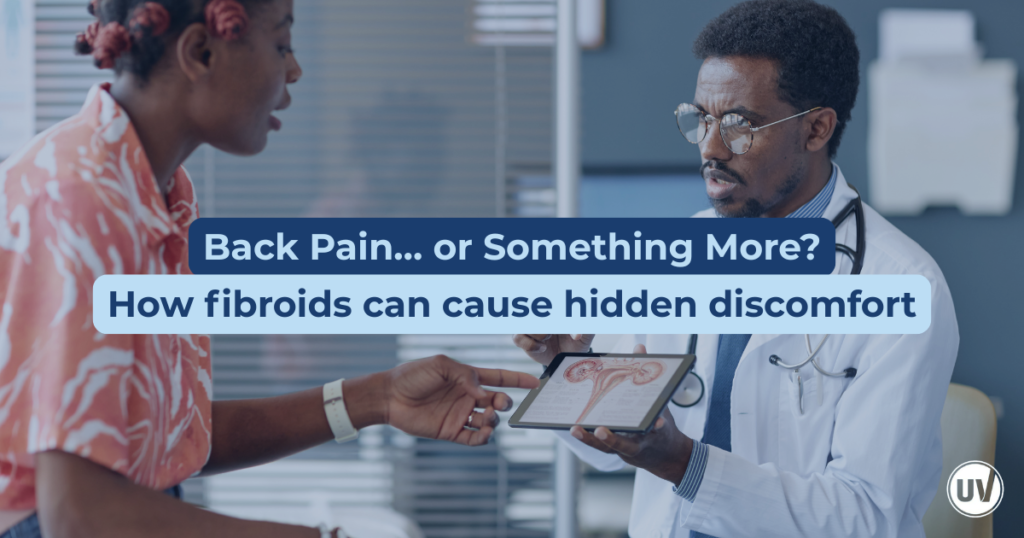
Pelvic exams are typically conducted to feel for any abnormalities. If fibroids are suspected, imaging tests help confirm the diagnosis. These tests might include an ultrasound or MRI, which provide clear images of the uterus and its surroundings.
An ultrasound is often the first choice. It’s non-invasive and gives a good view of fibroid size and location. In some cases, an MRI can offer more detailed information. This helps in understanding the impact of fibroids on nearby nerves and organs.
Key elements in diagnosing fibroids include:
- Medical history review
- Pelvic examination
- Use of imaging tests like ultrasound or MRI
Prompt diagnosis is essential for managing symptoms effectively. It allows for tailored treatment plans to alleviate pain and improve quality of life.
Treatment Options for Fibroid-Related Back Pain
Finding relief from fibroid-related back pain often requires a personalized approach. There is a range of treatment options available, catering to different needs. The choice depends on the severity of your symptoms and your personal health goals.
Some women may find sufficient relief from over-the-counter pain medications. These can be paired with lifestyle adjustments like exercise and stress management. A healthcare provider may also suggest hormonal treatments, which can help manage symptoms.
However, hormonal treatments do not shrink fibroids. They typically provide only temporary symptom relief. If symptoms persist, more targeted approaches are needed.
The treatment options available include:
- Over-the-counter and prescribed medications
- Hormonal therapy for symptom relief
- Lifestyle and dietary changes
- Minimally invasive procedures
Lifestyle modifications can support these treatments. Eating a balanced diet and maintaining a healthy weight contribute significantly to managing fibroid symptoms. Seeking professional guidance ensures that all options are tailored to your specific situation.
Minimally Invasive Treatments: Uterine Fibroid Embolization (UFE) and More
Minimally invasive treatments, like Uterine Fibroid Embolization (UFE), provide effective relief with reduced recovery times. UFE works by cutting off the blood supply to the fibroids. This causes them to shrink over time.
This procedure is less invasive than traditional surgery and often performed as an outpatient. It involves a small incision and is guided by imaging technology. UFE typically results in fewer complications and a quicker return to normal activities.
Other minimally invasive options include laparoscopy and MRI-guided focused ultrasound. These procedures also aim to reduce fibroid size and alleviate pain. For many women, these options are both effective and less daunting than surgery.
Benefits of minimally invasive treatments include:
- Reduced hospital stay and quicker recovery
- Lower risk of complications
- Preservation of the uterus
Discussing these treatments with your doctor helps determine the most suitable approach. They provide a targeted solution to fibroid symptoms while minimizing disruption to your daily life.
Surgical and Other Treatment Approaches
In some cases, surgery may be the best option. Myomectomy involves removing fibroids while preserving the uterus. It is preferred by women who wish to maintain fertility.
A hysterectomy, the removal of the uterus, is a more definitive solution. It is typically recommended for severe cases. This procedure is more invasive and ends a woman’s ability to bear children.
Other treatments include:
- Myomectomy for fibroid removal
- Hysterectomy for complete uterine removal
Discuss all surgical options with your healthcare provider. Understanding the risks and benefits ensures informed decision-making. Your choice should align with your personal goals and health considerations.
Managing Pain and Supporting Your Well-Being
Managing fibroid-related pain involves more than medical treatments. Holistic approaches can complement medical strategies and enhance overall well-being. Incorporate stress-relief techniques to ease discomfort and promote healing.
Physical therapy is an option that can help improve pain management. It focuses on strengthening and stretching exercises. These exercises may relieve back and leg pain associated with fibroids.
Consider also integrating alternative therapies. Some women find acupuncture, yoga, and meditation beneficial for reducing stress and pain. These practices can improve flexibility and mental well-being.
A well-rounded approach includes:
- Stress management techniques
- Physical therapy exercises
- Alternative therapies like acupuncture
- Mind-body practices for enhanced well-being
By exploring various strategies, you can create a balanced plan. This empowers you to manage your symptoms effectively and improve your quality of life.
Frequently Asked Questions
Yes. Fibroids can press on nearby nerves and structures in the pelvis, which may lead to lower back pain, hip discomfort, or even pain that radiates down the legs. This type of pain is often mistaken for muscle strain or posture issues.
It can feel like a dull, constant ache or pressure in the lower back. Some women also experience sharp or radiating pain, especially if a fibroid is pressing on a nerve.
In some cases, symptoms may fluctuate, but fibroid-related pain typically does not fully resolve without treatment. Addressing the underlying cause is key to long-term relief.
Don’t Ignore the Signs Your Body Is Sending
Back pain is common, but that doesn’t mean it should be ignored, especially when it becomes persistent or starts to interfere with your daily life.
If fibroids are the underlying cause, treating your back alone will not solve the problem. Getting to the root of your symptoms is what leads to real, lasting relief.
You deserve to feel comfortable in your body without second-guessing your symptoms.
If you are experiencing ongoing back pain or other signs of fibroids, the specialists at United Fibroid & Vascular Centers are here to help. Schedule a consultation to get answers, explore minimally invasive treatment options, and take the first step toward relief that lasts.