
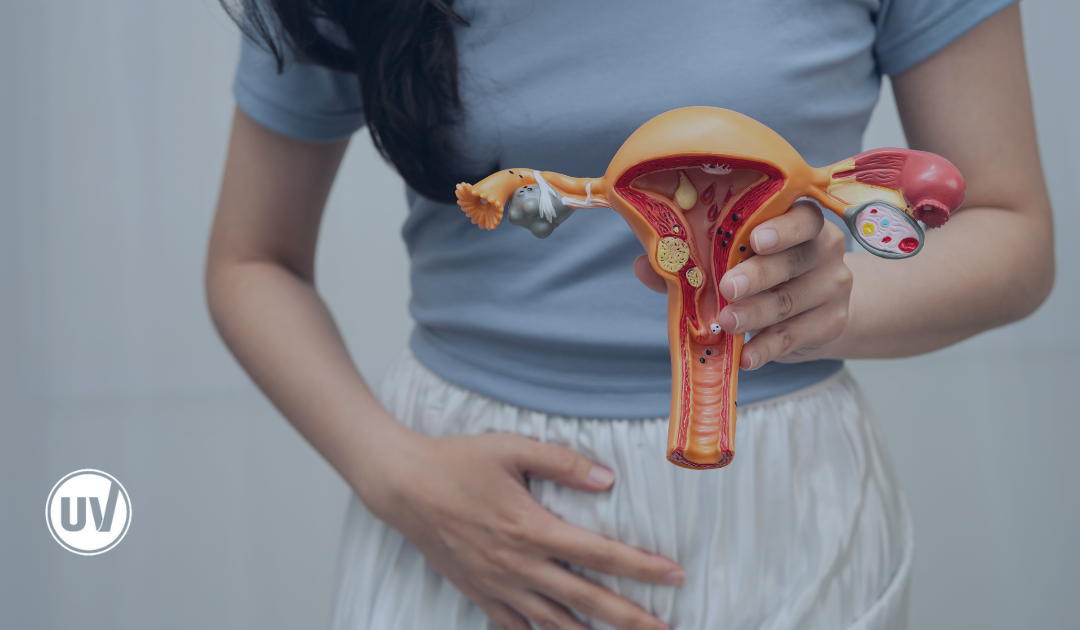
If you have ever searched “Do I have fibroids or endometriosis?” while dealing with painful periods, bloating, or pelvic discomfort, you are not alone. Many people struggle to understand whether their symptoms are part of a normal menstrual cycle or a sign of an underlying condition.
Uterine fibroids and endometriosis are two common gynecologic conditions that can cause similar symptoms, including pelvic pain, heavy periods, fatigue, and fertility challenges. However, they are different conditions that affect the body in different ways and may require different approaches to diagnosis and treatment.
So how can you tell the difference between fibroids and endometriosis?
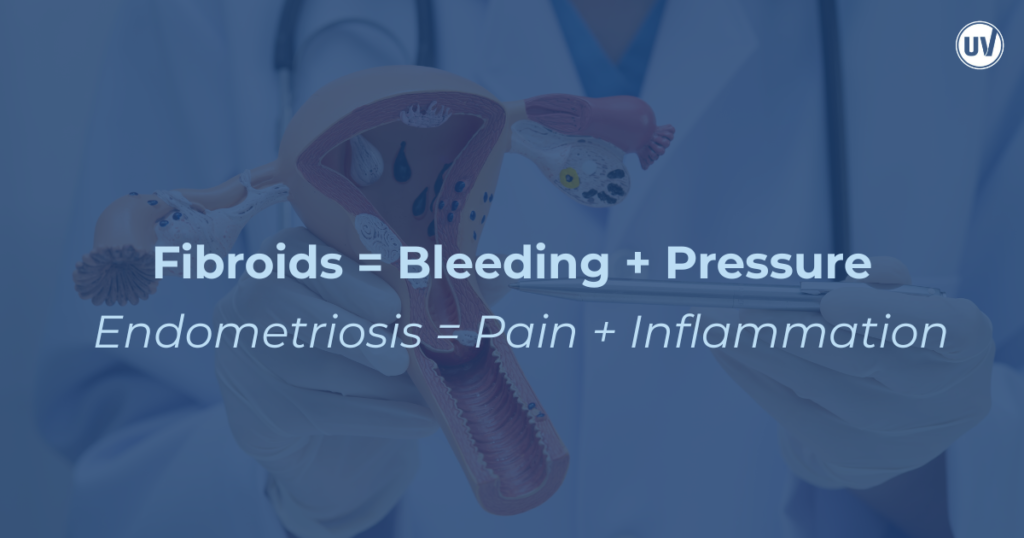
The answer often comes down to recognizing symptom patterns. Fibroids are more commonly associated with heavy bleeding and pressure-related symptoms, while endometriosis is more often linked to chronic pelvic pain and inflammation.
This guide explains the key differences between fibroids and endometriosis symptoms, what signs to look for, how each condition is diagnosed, and when to talk with a healthcare provider.
Fibroids vs. Endometriosis: What Is the Difference?
Although fibroids and endometriosis can feel similar, they develop in different ways.
What are uterine fibroids?
Uterine fibroids are noncancerous growths made of muscle and connective tissue that develop in or around the uterus. Some fibroids are small and cause no symptoms, while others can grow larger and affect daily life.
Fibroid symptoms often depend on the size, number, and location of the growths. Fibroids that affect the uterine lining may cause heavy bleeding, while larger fibroids may create pressure on nearby organs.
Common fibroid symptoms include:
- Heavy or prolonged menstrual bleeding
- Passing blood clots during periods
- Pelvic pressure or fullness
- Frequent urination
- Constipation
- Lower back discomfort
- Abdominal enlargement or bloating
What is endometriosis?
Endometriosis is a condition where tissue similar to the lining of the uterus grows outside the uterus. This tissue may develop around the ovaries, fallopian tubes, pelvic lining, or other nearby areas.
Because this tissue responds to hormonal changes during the menstrual cycle, it can cause inflammation, irritation, and scar tissue formation.
Common endometriosis symptoms include:
- Severe menstrual cramps
- Chronic pelvic pain
- Pain during sex
- Pain with bowel movements or urination during periods
- Fatigue
- Fertility challenges
Why Fibroids and Endometriosis Symptoms Can Be Confusing
Both conditions can affect quality of life and may cause overlapping symptoms, including:
- Pelvic pain during periods
- Cramping
- Bloating
- Fatigue
- Heavy menstrual bleeding
- Difficulty becoming pregnant
Because symptoms can overlap, it is not always possible to determine whether you have fibroids or endometriosis based on symptoms alone. Paying attention to the type, timing, and severity of symptoms can provide helpful clues.
Signs That May Point to Fibroids
Fibroids are often associated with bleeding and pressure-related symptoms.
Uterine Fibroid Symptoms Checklist
You may want to discuss fibroids with a healthcare provider if you experience:
- Heavy periods that require frequent pad or tampon changes
- Menstrual bleeding lasting longer than seven days
- Large blood clots during your period
- Pelvic pressure or heaviness
- A feeling of fullness in your lower abdomen
- Frequent urination
- Constipation
- Lower back pain
- Abdominal enlargement or bloating
What Does Fibroid Pain Feel Like?
Fibroid pain is often described as pressure, heaviness, or a dragging sensation rather than sharp pain.
Some people describe feeling like there is increased weight or fullness in the pelvic area. Fibroids can also cause discomfort if they place pressure on nearby organs, including the bladder or bowel.
In some cases, fibroids can cause sudden and severe pain due to complications such as degeneration, which occurs when a fibroid loses its blood supply.
Signs That May Point to Endometriosis
Endometriosis is often associated with pain that is connected to the menstrual cycle.
Endometriosis Warning Signs
Signs that may suggest endometriosis include:
- Severe period cramps that interfere with daily activities
- Pelvic pain that begins before your period and continues afterward
- Pain during sex
- Pain during bowel movements or urination, especially around your period
- Pain that spreads to the lower back or legs
- Chronic pelvic pain between periods
- Fatigue or brain fog related to your cycle
- Difficulty becoming pregnant
Many people assume painful periods are normal, but severe pain that affects your ability to work, exercise, sleep, or enjoy daily activities deserves evaluation.
Fibroids vs. Endometriosis and Fertility
Both fibroids and endometriosis can affect fertility, but they may impact reproductive health in different ways.
How fibroids can affect fertility
Depending on their size and location, fibroids may:
- Change the shape of the uterus
- Affect implantation
- Interfere with the uterine cavity
- Block the fallopian tubes in some cases
How endometriosis can affect fertility
Endometriosis may affect fertility by:
- Causing inflammation in the pelvis
- Creating scar tissue or adhesions
- Affecting egg quality
- Interfering with fertilization or implantation
If you are trying to conceive or want to preserve future fertility options, it is important to discuss your symptoms early.
How Are Fibroids and Endometriosis Diagnosed?
Getting an accurate diagnosis starts with understanding your symptoms, medical history, and menstrual patterns.
Diagnosing uterine fibroids
Common tests used to evaluate fibroids include:
- Pelvic examination
- Transvaginal ultrasound
- Saline infusion sonohysterography
- MRI imaging when more detailed information is needed
A pelvic ultrasound is often the first imaging test used to identify fibroids and determine their size and location.
Diagnosing endometriosis
Endometriosis can be more difficult to diagnose because symptoms and imaging findings do not always match.
Ultrasound may identify certain signs, such as ovarian endometriomas, but smaller areas of endometriosis may not be visible.
In some cases, a laparoscopy may be discussed. This minimally invasive procedure allows a specialist to look inside the pelvis and evaluate areas affected by endometriosis.
When Should You See a Doctor About Pelvic Pain or Heavy Periods?
Many people wait years before seeking answers because they assume their symptoms are just part of having a period. However, you should consider scheduling an appointment if you experience:
- Pelvic pain that affects your daily activities
- Heavy bleeding or frequent blood clots
- Periods lasting longer than seven days
- Pain during sex
- Symptoms of anemia, including fatigue, dizziness, or shortness of breath
- Difficulty becoming pregnant
- Worsening symptoms over time
Seek urgent medical care for sudden severe pelvic pain, fainting, fever, or unusually heavy bleeding.
Treatment Options for Fibroids and Endometriosis
Treatment depends on your symptoms, diagnosis, overall health, and personal goals.
Fibroid treatment options
Depending on your situation, treatment options may include:
- Medications to manage bleeding or pain
- Hormonal therapies
- Iron supplements for anemia caused by heavy bleeding
- Minimally invasive procedures
- Surgical treatment when appropriate
Endometriosis treatment options
Treatment approaches may include:
- Pain medications
- Hormonal therapies
- Pelvic floor physical therapy
- Lifestyle strategies to support symptom management
- Surgery in certain cases
There is no single treatment that works for everyone. The right approach depends on understanding what is causing your symptoms and what matters most to you.
How to Prepare for Your Appointment
Tracking your symptoms before seeing a healthcare provider can make your appointment more productive.
Consider keeping notes about:
- How long your periods last
- How heavy your bleeding is
- Presence of blood clots
- When pain occurs during your cycle
- Pain triggers, such as sex or bowel movements
- Medications you have tried
- Fertility goals
Specific details can help your provider better understand your symptoms and recommend appropriate next steps.
Frequently Asked Questions
Yes. Some people have both uterine fibroids and endometriosis. Because both conditions can cause pelvic pain, heavy periods, and fertility challenges, a thorough evaluation is important to determine the cause of symptoms.
Neither condition is considered universally worse. The impact depends on the individual, including symptom severity, location of fibroids or endometriosis, fertility goals, and overall quality of life. Both conditions have treatment options that can help manage symptoms.
Fibroid symptoms are often linked to heavy bleeding, pelvic pressure, and bladder or bowel pressure. Endometriosis is more commonly associated with severe pelvic pain, pain during sex, and pain related to bowel movements or urination during the menstrual cycle. A healthcare provider can help determine the cause through evaluation and testing.
Take the Next Step Toward Answers
Living with pelvic pain, heavy bleeding, or unexplained symptoms can be frustrating, especially when you are unsure whether fibroids, endometriosis, or another condition may be causing them.
While fibroids and endometriosis can share similar symptoms, understanding the differences can help you have more informed conversations with your healthcare provider and explore treatment options that fit your needs.
United Fibroid and Vascular Centers specializes in evaluating and treating uterine fibroids with personalized care plans designed around each patient’s symptoms and goals. If you are experiencing symptoms that may be related to fibroids, schedule a consultation or find a United Fibroid and Vascular Centers clinic near you to learn more about your options.