

Are your periods becoming heavier than they used to be? Do you constantly feel bloated, experience pelvic pressure, or find yourself running to the bathroom more often than usual? While these symptoms can have several causes, they may also be signs of uterine fibroids.
Fibroids are one of the most common conditions affecting women, yet many don’t realize they have them until symptoms begin interfering with their daily lives. Although these growths are almost always non-cancerous, they can lead to heavy menstrual bleeding, pelvic pain, frequent urination, fatigue, and other symptoms that shouldn’t be ignored.
The good news is that effective, minimally invasive treatment options are available. Understanding the symptoms of fibroids and knowing when to see a specialist can help you get an accurate diagnosis and find relief sooner.
What Are Uterine Fibroids?
Uterine fibroids are growths that form in the muscle tissue of the uterus. They are typically benign, meaning they are not cancerous. Despite this, they can still cause a variety of symptoms that warrant attention.
Fibroids come in different sizes and numbers. They can range from as small as a seed to as large as a melon. Depending on their location within the uterus, symptoms may vary.
Most women develop fibroids at some point in their lives. However, not all fibroids cause noticeable issues. Many women may have them without knowing, as they can remain small and symptom-free.
Fibroids can be categorized into types based on their location:
- Intramural fibroids: Develop within the uterine wall.
- Submucosal fibroids: Grow just beneath the lining of the uterus.
- Subserosal fibroids: Form on the outer uterine wall.
Understanding these categories can help in tailoring treatment options effectively.
Who Gets Fibroids? Understanding Risk Factors
Fibroids are a widespread health issue affecting many women, especially during their reproductive years. By age 50, up to 70-80% of women will have fibroids, though not all will experience symptoms.
Several factors can increase the likelihood of developing fibroids. Recognizing these can aid in early detection and management. Not all risk factors are within your control, but being aware is beneficial.
Key risk factors include:
- Age: Fibroids are more common as women age, particularly in their 30s and 40s.
- Family History: A history of fibroids in your family increases risk.
- Ethnicity: African American women are more likely to develop fibroids at a younger age.
- Obesity: Being overweight is linked to a higher risk.
- Lifestyle Factors: Diet and stress levels can influence fibroid development.
Common Signs and Symptoms of Uterine Fibroids
Uterine fibroids can present a varied range of symptoms. Some women might not notice any symptoms, while others can experience significant ones.
Heavy or prolonged menstrual bleeding is a key sign of fibroids. This might lead to anemia, causing fatigue and weakness.
Fibroid pain can range from dull to sharp, often worsened during menstruation. Some women also experience pelvic pressure or discomfort.
Beyond menstrual changes, fibroids can cause bladder pressure. This might result in frequent urination or difficulty fully emptying the bladder.
Gastrointestinal changes, like constipation or bloating, are also possible. These symptoms stem from fibroids pressing on nearby organs.
Pain during intercourse is another symptom some women experience. This can affect intimacy and overall quality of life.
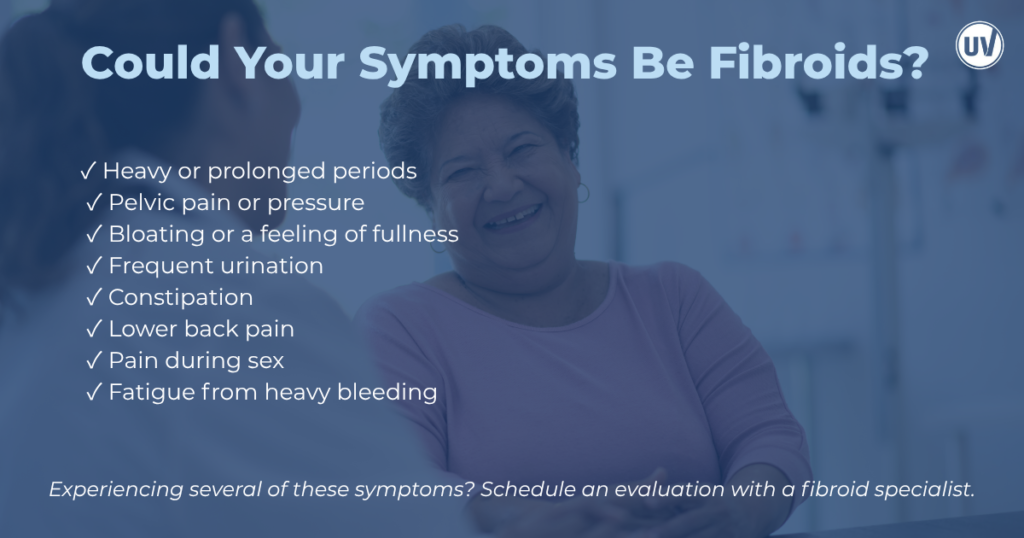
Understanding these symptoms can aid in timely diagnosis and management. Here’s a quick summary of fibroid signs:
- Heavy menstrual bleeding
- Prolonged periods
- Pelvic pain or pressure
- Frequent urination
Additional symptoms might include:
- Back or leg pain
- Constipation
- Pain during intercourse
Each woman’s experience with fibroids is unique. Prompt attention to changes in your body can lead to better outcomes and effective treatment options.
What Does Fibroid Pain Feel Like?
Fibroid pain can manifest in various ways, making it important to recognize its distinct nature. For some women, the pain is dull and constant, while others might experience sharp, intermittent pangs.
This pain often intensifies during menstrual periods. However, it might also occur during intercourse or even at random times.
Understanding the nature of fibroid pain can guide you in addressing it effectively. Here are some common descriptions of fibroid pain:
- Dull, constant ache
- Sharp, sudden pangs
- Intensified pain during menstruation
Each woman may feel this pain differently, emphasizing the importance of personalized management strategies.
How Fibroids Can Affect Your Daily Life
Fibroids can significantly impact daily activities, disrupting routines and affecting well-being. The symptoms can be both physically and emotionally draining.
Living with fibroids might cause interruptions in work, social events, and personal time. Persistent discomfort can make it challenging to maintain focus and productivity.
Consider how these aspects might affect your day-to-day life:
- Frequent bathroom visits due to bladder pressure
- Exhaustion from heavy menstrual bleeding
- Difficulty with exercise or physical activities
Being aware of these impacts can help you develop effective strategies to maintain quality of life despite fibroids. Prioritizing self-care and seeking appropriate treatments are crucial steps.
When Should You See a Specialist?
Recognizing the need for a specialist is important for managing fibroids effectively. Symptoms disrupting your daily life indicate it might be time to seek expert care.
Consider seeing a specialist if you experience:
- Severe fibroid pain or discomfort
- Heavy menstrual bleeding leading to anemia
- Sudden changes in menstrual patterns
Early consultation can prevent complications and enhance overall health. A healthcare provider can offer guidance tailored to your needs.
Additionally, seek advice if:
- Symptoms persist despite self-care efforts
- Fertility concerns arise due to fibroids
- There’s uncertainty about the diagnosis
Listening to your body and addressing these signs early can improve outcomes. Take steps to ensure you receive the care and support you need.
How Are Fibroids Diagnosed?
Diagnosing fibroids often starts with a pelvic exam. This exam helps detect unusual uterine shapes or enlargements. However, imaging tests offer a clearer picture for accurate diagnosis.
Common diagnostic tests include:
- Ultrasound: Uses sound waves to create uterine images.
- MRI: Provides detailed images to reveal fibroid size and location.
- Hysteroscopy: Involves inserting a small camera through the cervix for internal inspection.
These methods help determine the fibroids’ characteristics, guiding treatment options. Accurate diagnosis aids in crafting effective, personalized care plans, ensuring your specific needs are met. Always consult with your healthcare provider about the best diagnostic approach for you.
Frequently Asked Questions
The earliest symptoms of fibroids can include heavier or longer menstrual periods, pelvic pressure, bloating, frequent urination, constipation, or lower back pain. Some women have no symptoms at all, which is why regular gynecologic exams are important.
You should schedule an evaluation if you experience heavy menstrual bleeding, severe pelvic pain, periods that interfere with your daily life, ongoing fatigue, or symptoms that continue to worsen over time. A specialist can determine whether fibroids are the cause and recommend the most appropriate treatment.
Some fibroids remain stable or shrink naturally after menopause due to hormonal changes. However, fibroids that are causing significant symptoms typically require monitoring or treatment to improve your quality of life and prevent complications.
Find Relief from Fibroid Symptoms
If heavy periods, pelvic pain, bloating, or other symptoms are affecting your daily life, you don’t have to manage them on your own. Fibroids are common, and effective treatment options are available that can relieve symptoms while preserving your uterus whenever possible.
The first step is getting an accurate diagnosis from a fibroid specialist who can recommend a treatment plan based on your symptoms, the size and location of your fibroids, and your future health goals. At United Fibroid & Vascular Centers, our experienced specialists offer comprehensive evaluations and minimally invasive treatment options designed to help you get back to living comfortably. Schedule a consultation today to get relief!