
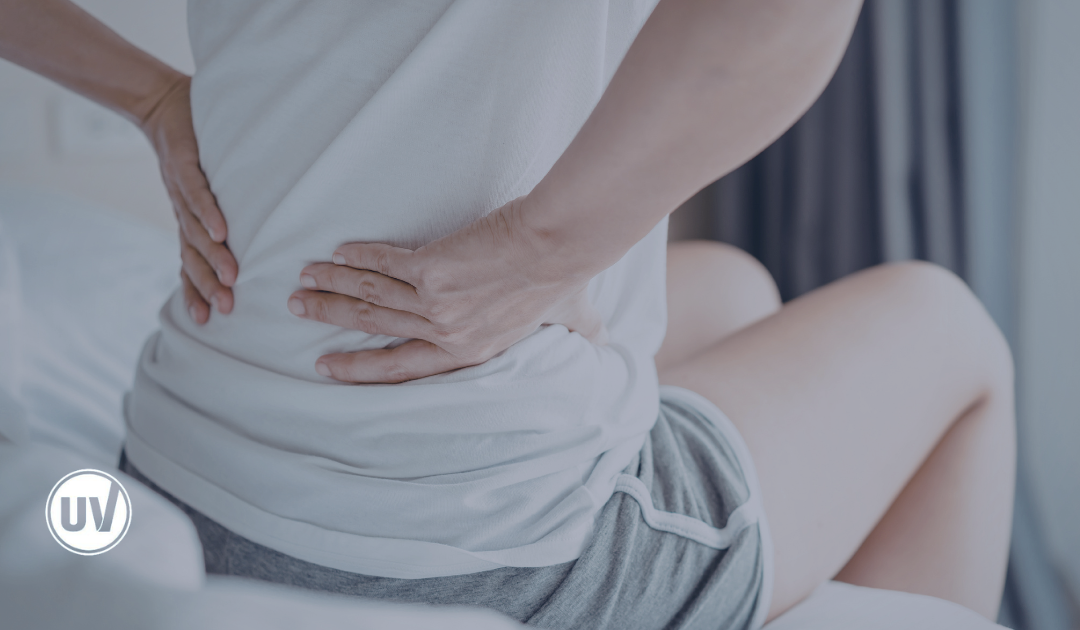
Fibroid pain is often misunderstood, even by the women experiencing it. Some describe it as a dull, constant pressure. Others feel sharp, sudden cramps that seem to come out of nowhere. For many, it is not just one type of pain, but a combination of sensations that can shift over time and vary in intensity.
If you have ever wondered whether what you are feeling is “normal period pain” or something more, you are not alone.
Uterine fibroids are incredibly common, yet the symptoms they cause are often overlooked or attributed to other causes. Understanding what fibroid pain actually feels like is an important step toward getting answers and finding real relief.
Understanding Uterine Fibroids
Uterine fibroids are non-cancerous growths that develop in or on the uterus. They are very common, especially during the reproductive years. While they are not life-threatening, they can significantly affect quality of life depending on their size, number, and location.
Fibroids vary widely from person to person. Some women have one small fibroid and no symptoms at all. Others develop multiple fibroids that grow large enough to cause pressure, heavy bleeding, and pain.
Key facts about fibroids include:
- Up to 70 percent of women may develop fibroids by age 50
- They are more commonly diagnosed in women in their 30s and 40s
- Genetics, hormones, and lifestyle factors may all play a role
- Many fibroids are discovered during routine exams or imaging
The important takeaway is that fibroids are common, but symptoms are not always “normal” even if they are common.
Why Fibroids Cause Pain
Fibroid pain is not caused by the fibroid itself simply being present. The pain usually comes from how fibroids interact with surrounding structures in the pelvis.
As fibroids grow, they can:
- Stretch the uterus
- Press on nearby organs such as the bladder or bowel
- Interfere with normal uterine contractions
- Affect blood flow in surrounding tissues
- Trigger inflammation or cramping sensations
This is why symptoms can feel so different from person to person. The location and size of fibroids directly influence the type of pain experienced.
What Does Fibroid Pain Actually Feel Like?
There is no single description of fibroid pain that fits everyone. However, many patients report similar patterns and sensations.
Some of the most common descriptions include:
1. Dull, Constant Pelvic Pressure
Many women describe a heavy or “full” feeling in the lower abdomen. It is not always sharp pain, but more like pressure that does not go away. Some compare it to feeling like something is always pushing downward.
2. Sharp or Stabbing Pain
For others, fibroid pain comes in sudden waves. These sharp pains can occur in the pelvis and may feel similar to intense menstrual cramps, but often more severe and longer lasting.
3. Pain That Worsens During Menstruation
Hormonal changes during the menstrual cycle can make fibroid symptoms more noticeable. Periods may become heavier, more painful, and longer than usual.
4. Lower Back or Radiating Pain
Fibroids can sometimes cause pain that spreads to the lower back, hips, or even thighs. This is especially common when fibroids press against nerves or surrounding structures.
5. Cramping That Feels Different From Typical Period Pain
Many patients say the biggest clue something is wrong is that the pain feels “different” from normal cramps. It may be more intense, more persistent, or less responsive to typical pain relief methods.
Types of Fibroid Pain and How They Show Up
Fibroid-related discomfort can take several forms depending on what the fibroid is affecting.
Pelvic Pain and Pressure
This is one of the most common symptoms. It may feel like a constant weight or tightness in the lower abdomen.
Menstrual Pain That Feels Amplified
Periods may become significantly more painful and disruptive, sometimes interfering with work or sleep.
Bladder or Bowel Pressure
Fibroids pressing on nearby organs may cause frequent urination, constipation, or discomfort when using the bathroom.
Pain During Physical Activity or Intercourse
Movement or pressure in the pelvic area can increase discomfort for some women, especially if fibroids are larger or strategically located.
How Fibroid Pain Can Impact Daily Life
Fibroid pain is not just physical. It often affects how women live day to day.
You may notice:
- Difficulty concentrating at work
- Avoiding exercise or physical activity
- Canceling plans due to discomfort
- Fatigue from poor sleep during painful cycles
- Emotional stress from ongoing symptoms
Many women describe trying to “push through” symptoms for years before realizing there are treatment options available.
When Fibroid Pain Is a Sign to Get Checked
It is important to seek medical evaluation if symptoms begin affecting your quality of life. Fibroid pain should not be ignored, especially if it is becoming more frequent or severe.
You should consider speaking with a specialist if you experience:
- Heavy or prolonged menstrual bleeding
- Persistent pelvic pressure or pain
- Pain that disrupts sleep or daily activities
- Increasing abdominal bloating or fullness
- Symptoms that are worsening over time
Diagnosing Fibroids and Understanding the Source of Pain
Diagnosis typically begins with a consultation and pelvic exam. Imaging tests are then used to confirm the presence, size, and location of fibroids.
Common diagnostic tools include:
- Ultrasound imaging
- MRI scans for detailed evaluation
- Physical pelvic examination
This information helps determine whether symptoms are related to fibroids and what treatment approach may be appropriate.
Treatment Options for Fibroid Pain
Treatment depends on symptom severity, fibroid size, and personal goals. Options range from medication to minimally invasive procedures.
Common approaches include:
- Pain management and hormonal therapy
- Surgical options such as myomectomy or hysterectomy
- Lifestyle modifications to help manage symptoms
- Minimally invasive procedures designed to target fibroids directly
While surgery has traditionally been used, many patients today prefer less invasive alternatives when appropriate.
Uterine Fibroid Embolization as a Minimally Invasive Option
One of the most effective minimally invasive treatments for fibroid-related pain is uterine fibroid embolization, often referred to as UFE.
This procedure works by blocking the blood supply to fibroids, causing them to shrink over time. As fibroids reduce in size, symptoms such as pain, pressure, and heavy bleeding often improve.
Benefits may include:
- No surgical removal of the uterus
- Minimally invasive outpatient procedure
- Reduced recovery time compared to surgery
- Relief from multiple fibroid symptoms
UFE is not the right choice for everyone, but for many patients it provides a meaningful alternative to more invasive procedures.
Managing Fibroid Discomfort Day to Day
While medical treatment addresses the root cause, some strategies can help manage symptoms in the meantime:
- Using heat therapy for cramping relief
- Gentle movement or stretching
- Anti-inflammatory medications when appropriate
- Stress management techniques such as deep breathing or yoga
- Tracking symptoms to identify patterns
These approaches may help improve comfort but are not a substitute for medical evaluation.
The Emotional Side of Fibroid Pain
Living with chronic pain can take a toll emotionally as well as physically. Many women feel frustrated, dismissed, or unsure of what is happening in their bodies.
Support can make a difference. Talking to a specialist, connecting with others who have similar experiences, and learning about treatment options can help restore a sense of control.
Take the Next Step Toward Relief
Fibroid pain does not have to be something you simply accept or work around. If you are experiencing ongoing pelvic pain, heavy periods, or pressure that is affecting your daily life, there are treatment options available that can address the cause rather than just the symptoms.
United Fibroid & Vascular Centers specializes in minimally invasive treatment options like uterine fibroid embolization designed to help patients find real relief and get back to living more comfortably.
Schedule a consultation with United Fibroid & Vascular Centers today to learn more about your options and take the first step toward feeling better.
Frequently Asked Questions
Fibroid pain can vary widely from person to person. Some women experience a constant dull pressure in the lower abdomen, while others notice intermittent sharp cramps that come and go. Pain may also fluctuate depending on the size and location of the fibroids, as well as where you are in your menstrual cycle.
Fibroid-related pain often feels more intense, longer-lasting, or different from typical menstrual cramps. It may also be accompanied by heavy bleeding, pelvic pressure, bloating, or lower back pain. If your symptoms are worsening over time or interfering with daily life, it may be a sign to get evaluated for fibroids.
Fibroid symptoms may fluctuate, but they typically do not fully go away on their own if fibroids are still present. Some women experience temporary relief, especially after menopause, when hormone levels decline. However, for ongoing or worsening pain, medical evaluation is recommended to explore treatment options that address the root cause.