

Fibroid symptoms often begin subtly. Heavier periods, bloating, or pelvic discomfort can feel easy to dismiss or explain away. As a result, fibroids are often diagnosed later than they should be.
Many symptoms overlap with normal menstrual or hormonal changes. This can lead women to delay care or assume their experience is typical. Over time, fibroids may continue to grow and symptoms can become more disruptive.
Early evaluation plays an important role in fibroid management. Recognizing key signs and knowing when to seek medical guidance can expand treatment options, including minimally invasive approaches.
Understanding Uterine Fibroids: What They Are and Who Gets Them
Uterine fibroids are benign tumors that grow in or around the uterus. Despite being non-cancerous, they can cause significant symptoms.
These growths can vary in size, from tiny seedlings to bulky masses. They may be solitary or form clusters.
Certain women are more likely to develop fibroids. These risk factors include age, ethnicity, and family history. Fibroids are especially common in women of African descent.
Hormonal factors also play a role in fibroid growth. Estrogen and progesterone are known to stimulate fibroid development.
Other lifestyle factors may influence fibroid prevalence, such as:
- Diet and body weight
- Stress levels
- Environmental exposures
Knowing these risk factors is vital. It encourages awareness and proactive health discussions.
Common Fibroid Symptoms: What to Watch For
Fibroids often go unnoticed until symptoms appear. Not everyone with fibroids experiences symptoms, but when they do occur, they can be significant.
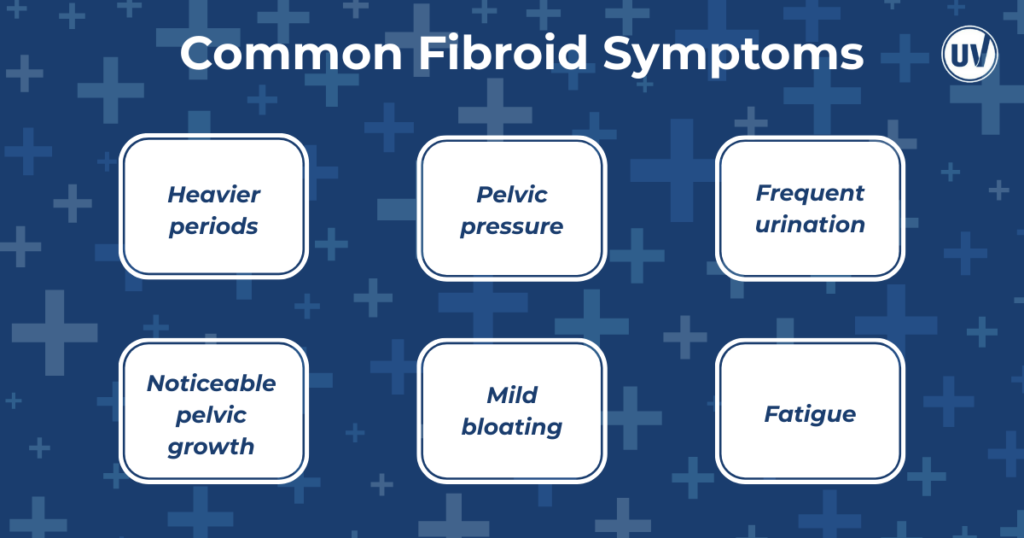
Heavy menstrual bleeding is a hallmark symptom of uterine fibroids. This can lead to anemia, causing fatigue and weakness.
Women may also experience pelvic pain or pressure. This discomfort can be persistent and interfere with daily activities.
Frequent urination is another common issue. As fibroids press on the bladder, they often cause this symptom.
Bloating and abdominal enlargement can be signs, too. Some women report feeling constantly full or having a distended abdomen.
Fibroid symptoms include:
- Heavy periods
- Pelvic pain
- Frequent urination
- Bloating
- Lower back pain
Other symptoms, like pain during intercourse or prolonged periods, may occur. These can significantly affect quality of life.
Recognizing these symptoms early is crucial. Timely medical advice helps manage and alleviate discomfort effectively.
Why Fibroids Are Often Diagnosed Late
Fibroids frequently go undetected until they’re quite advanced. One reason is the normalization of symptoms.
Many women assume that heavy bleeding or pelvic pain is normal. This belief can delay seeking medical advice.
Lack of awareness also plays a role. Women may not connect symptoms with fibroids due to limited information.
Common fibroid symptoms are often mistaken for other conditions. This can lead to misdiagnosis or oversight.
Fibroid diagnosis often involves several barriers:
- Symptom normalization
- Misinterpretation of symptoms
- Limited healthcare access
Some healthcare providers may overlook fibroids, assuming normal menstrual variations. This can delay proper diagnosis.
Early detection is key to managing fibroids effectively. Understanding risks and symptoms helps prompt earlier evaluations.
The Importance of Early Fibroid Evaluation
Early fibroid evaluation is crucial for effective management. Addressing fibroid symptoms promptly can improve overall health outcomes.
Timely evaluation allows for more treatment options. Some treatments are more effective when fibroids are smaller.
Recognizing fibroid symptoms early can prevent complications. Large fibroids may cause more severe health issues.
Benefits of early evaluation include:
- A broader range of treatment options
- Reduced risk of severe symptoms
- Better treatment outcomes
Regular check-ups play a vital role in early detection. These visits offer a chance to discuss any concerns with your doctor.
Education about fibroids can lead to quicker diagnosis. Understanding personal symptoms may encourage seeking medical advice sooner.
By addressing fibroid symptoms early, women can maintain better quality of life and health. Early diagnosis also supports proactive health management.
How Fibroids Are Diagnosed: Tests and Procedures
Diagnosing fibroids starts with a detailed medical history. Your doctor will ask about symptoms, periods, and family history. Understanding your experience helps guide the diagnosis process.
A pelvic exam is usually the first step. This exam can reveal abnormalities in the size or shape of the uterus.
Imaging tests provide more detailed insights. An ultrasound is commonly used to visualize fibroids in the uterus. It’s a non-invasive procedure that helps confirm the presence of fibroids.
An MRI may be recommended for more complex cases. It offers a detailed view of fibroid size and location. This information is crucial for planning treatment.
Blood tests can help assess overall health and rule out other conditions. They might check for anemia, which is a common issue with heavy menstrual bleeding.
Key steps in fibroid diagnosis include:
- Comprehensive medical history review
- Pelvic examination
- Ultrasound imaging
- MRI for detailed assessment
- Blood tests for health evaluation
Understanding these diagnostic tools can ease concerns about the process. Early diagnosis supports timely treatment planning and better outcomes. Being informed about these procedures empowers you to take charge of your health journey.
Steps Patients Can Take for Earlier Diagnosis
Recognizing fibroid symptoms early on is vital. If you notice changes in your menstrual cycle or unusual pelvic pain, consider reaching out to your doctor. Being proactive about your health can lead to an earlier diagnosis.
Open communication with your healthcare provider is crucial. Share all symptoms, even if they seem minor. This transparency helps your doctor identify any underlying issues more promptly.
Regular gynecological check-ups can aid early detection. Routine visits provide opportunities for your healthcare provider to notice changes that may indicate fibroids. These appointments form an essential part of preventive care.
Keeping a symptom diary can be beneficial. Document any patterns in your pain, menstrual changes, or other symptoms. A detailed record offers valuable information for your healthcare provider.
Education is another key step. Learn about fibroid symptoms and risk factors. This knowledge can make you more alert to potential health changes.
Helpful steps for patients include:
- Observing and recognizing symptoms
- Communicating openly with doctors
- Scheduling regular check-ups
- Keeping a detailed symptom diary
- Educating yourself on fibroids
Empowering yourself with this knowledge enables timely and effective medical interventions.
Empowering Yourself: Advocating for Your Health and Next Steps
Taking charge of your health starts with being informed. Understanding your condition and treatment options allows you to engage in meaningful discussions with your healthcare provider.
Ask questions and express concerns during medical appointments. No issue is too small; it’s crucial to voice every aspect of your symptoms and preferences.
Consider seeking a second opinion if needed. Different perspectives can clarify options and confirm the best approach for your care. Confidence in your treatment plan is essential.
Empowerment also involves staying proactive about your lifestyle and health habits. Making informed decisions includes maintaining a balanced diet, managing stress, and staying active to support overall well-being.
Here are steps to advocate for your fibroid care:
- Prepare questions for your doctor
- Seek second opinions if uncertain
- Engage in informed lifestyle choices
Your journey with fibroids is unique. Advocate for your needs, and collaborate with your healthcare provider to make the best decisions for your health.
Frequently Asked Questions
Fibroids can develop gradually, and their symptoms—heavier periods, bloating, pelvic pressure—are often mistaken for normal menstrual changes. Many women delay seeking care, which can allow fibroids to grow larger before detection.
Key signs include unusually heavy or prolonged periods, pelvic pain or pressure, frequent urination, bloating, or changes in menstrual cycles. Even mild or intermittent symptoms can be worth discussing with a fibroid specialist.
Yes! Minimally invasive procedures, such as uterine fibroid embolization, can reduce symptoms effectively without the need for traditional surgery. A fibroid specialist can recommend the best treatment plan based on size, location, and your personal goals.
Take Control of Your Uterine Health Today
Fibroids don’t have to control your life. Understanding symptoms and seeking evaluation early can make a real difference in treatment options and long-term comfort. United Fibroid & Vascular Centers offers patient-focused, minimally invasive care, helping women take control of their health with confidence.
If fibroids are affecting your daily life, schedule a consultation today and take the first step toward personalized, expert care.