
Uterine fibroids affect millions of women, often causing heavy periods, discomfort, and interruptions to daily life. It’s no wonder that many women are looking for ways to manage symptoms without invasive procedures.
One common question we hear: can birth control pills actually shrink fibroids? While these medications are widely used for menstrual regulation and symptom relief, their effect on fibroid size isn’t always clear.
Understanding how birth control pills interact with fibroids, and the hormones that fuel their growth, can help you make informed choices about your treatment options. In this article, we break down the facts, separate myth from reality, and provide practical guidance for women exploring fibroid management.
Understanding Uterine Fibroids
Uterine fibroids are non-cancerous tumors that form in the uterus. They are common among women of childbearing age.
These growths vary in size and number. Some women might have just one, while others have multiple fibroids.
Fibroids can cause a range of symptoms, though not all women experience them. Common symptoms include:
The exact cause of fibroids remains unclear, but hormones play a significant role. Estrogen and progesterone contribute to their development and growth.
In some cases, fibroids shrink after menopause due to lower hormone levels. Regular check-ups help in monitoring and managing fibroids effectively. Understanding these aspects aids in choosing the right management strategy.
The Role of Hormones in Fibroid Growth
Hormones significantly influence fibroid development and growth. Estrogen and progesterone are the primary hormones involved.
During the reproductive years, hormone levels fluctuate, often encouraging fibroid growth. These hormones promote the growth of the uterine lining, indirectly affecting fibroids.
Understanding the hormonal influence on fibroids is crucial for management. Effective treatments often aim to balance or alter these hormone levels. Some women notice changes in fibroid size or symptoms with hormonal shifts, such as during pregnancy or menopause.
Key points about hormones and fibroids include:
- Estrogen and progesterone fuel fibroid growth
- Hormonal fluctuations can exacerbate symptoms
- Balancing hormones is a common treatment approach
Recognizing how hormones impact fibroids helps guide treatment decisions. This knowledge enables more targeted and effective management of symptoms.
How Birth Control Pills Work
Birth control pills primarily regulate hormones to prevent pregnancy. They contain synthetic versions of estrogen and progesterone. These hormones work to inhibit ovulation, thereby controlling the menstrual cycle.
Pills help stabilize the hormonal balance, which can reduce menstrual bleeding. By controlling the endometrial lining’s thickness, they often lessen the intensity of periods. This can result in lighter, more manageable menstruation.
Key functions of birth control pills include:
- Preventing ovulation
- Regulating menstrual cycles
- Reducing menstrual bleeding
Though primarily used for contraception, pills also assist with menstrual pain relief. This occurs as they smooth hormonal fluctuations that can trigger discomfort. Birth control pills can offer symptomatic relief for those experiencing heavy bleeding due to fibroids.
Can Birth Control Pills Shrink Fibroids?
Birth control pills, while effective for symptom control, do not shrink fibroids. These non-cancerous growths are influenced by estrogen and progesterone levels. However, the pills can help in other ways.
They regulate hormone levels and stabilize the uterine lining. This may result in reduced menstrual bleeding and pain. For many women, this symptomatic relief can significantly enhance quality of life.
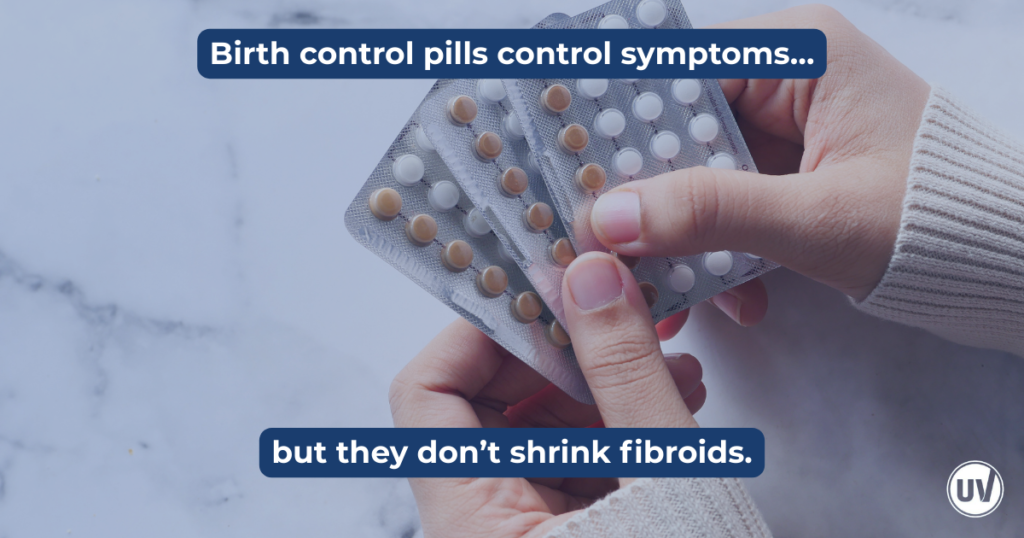
While the pills won’t shrink fibroids, they can offer critical symptom management. This makes life more manageable during fibroid flare-ups. The relief from heavy bleeding and pain is key for many.
Benefits of birth control pills for fibroids include:
- Decreased menstrual bleeding
- Alleviated menstrual pain
- Improved cycle regularity
However, individual results can vary. Some might experience minimal changes, while others may see notable improvements. It’s crucial to discuss expectations with a healthcare provider.
Understanding this can help tailor a suitable management plan. Birth control pills aren’t a one-size-fits-all solution but can be part of a comprehensive strategy.
Birth Control Pills and Fibroid Symptoms
Birth control pills can play a significant role in managing fibroid symptoms. While they don’t reduce fibroid size, they help regulate menstrual cycles. This can lead to less blood loss each month.
By stabilizing hormonal fluctuations, birth control pills often reduce heavy periods. This diminishes one of the most common and bothersome fibroid symptoms. Lighter periods can also result in less discomfort.
Some women experience relief from menstrual cramps when using birth control pills. This can be especially beneficial if fibroids cause severe pain during menstruation. Managing pain makes daily activities more manageable.
However, it’s important to note that not everyone will respond the same way. The effectiveness of birth control pills can vary based on the individual. Different hormone levels can affect fibroid-related symptoms uniquely.
Talking with a healthcare provider can help set realistic expectations. This discussion can guide an effective management plan.
Beyond Birth Control Pills: Exploring Fibroid Management
While birth control pills are often used to manage symptoms like heavy bleeding and cramps, they do not shrink fibroids. For women seeking long-term relief or actual fibroid reduction, other options exist, ranging from hormonal therapies to minimally invasive procedures.
Uterine Fibroid Embolization: Minimally Invasive Relief
One of the most effective non-surgical treatments is Uterine Fibroid Embolization (UFE). This procedure works by blocking the blood flow to fibroids, causing them to shrink naturally over time.
Benefits of UFE include:
- Significant reduction in heavy bleeding and pelvic pressure
- Minimally invasive outpatient procedure
- Faster recovery than traditional surgery
- Preservation of the uterus
For many women, UFE offers a real solution for shrinking fibroids, rather than just managing symptoms.
Choosing the Right Fibroid Management Plan
Every woman’s fibroid journey is different. Factors like fibroid size, location, symptoms, age, and personal goals all influence treatment decisions.
A personalized plan may include:
- Symptom management with birth control pills or other hormonal therapies
- Non-hormonal relief, such as NSAIDs or lifestyle adjustments
- Minimally invasive procedures, like UFE, for fibroid shrinkage
- Regular monitoring with a healthcare provider
Consulting a specialist ensures your treatment aligns with your needs, lifestyle, and long-term health goals.
When to See a Healthcare Provider
Even if symptoms seem manageable, some signs require prompt attention:
- Heavy or prolonged menstrual bleeding
- Severe pelvic pain or pressure
- Noticeable changes in abdominal size or menstrual patterns
Early evaluation helps expand your treatment options and ensures the best possible outcome.
Frequently Asked Questions
No. they help control symptoms like heavy bleeding and cramps but do not reduce fibroid size.
Non-hormonal options like UFE or MRI-guided focused ultrasound can shrink fibroids and reduce symptoms.
Healthy habits can support overall well-being, but they won’t shrink fibroids directly.
Take the Next Step to Fibroid Relief
Speak with a fibroid specialist at United Fibroid & Vascular Centers to explore all your options and find the plan that works for you. Schedule a consultation today to start your path to relief.