

Irregular periods are more than just an inconvenience, they can be a window into your uterine health. Changes in flow, frequency, or color can reveal what’s happening beneath the surface and sometimes point to conditions like fibroids.
Experiencing two periods in one month, spotting dark or black blood, or noticing light pink spotting when you’re not on your cycle can feel confusing or alarming. While some changes are harmless, others may signal hormonal shifts or underlying uterine issues.
Paying attention to these signals can give you an edge in managing your health. Understanding what your cycle is telling you empowers you to take proactive steps and connect with a specialist before small changes become bigger problems.
Understanding a Normal Menstrual Cycle
A typical menstrual cycle lasts between 21 and 35 days. Understanding this range helps identify what counts as irregular.
Each cycle has several phases that prepare the body for potential pregnancy. The phases include:
- Menstrual Phase: Shedding of the uterine lining occurs.
- Follicular Phase: Egg development starts, and the lining thickens.
- Ovulation: The mature egg is released.
- Luteal Phase: The uterus prepares for a fertilized egg.
Knowing these phases aids in recognizing changes. Any deviation from this pattern might suggest a uterine health issue.
Most cycles involve bleeding for 3 to 7 days. Variations in flow and duration can offer clues about your health. Tracking your cycle can highlight unexpected patterns. Documenting these changes helps provide clear information to discuss with your healthcare provider.
What Counts as an Irregular Period?
An irregular period can manifest in several ways. These variations might include:
- Periods that occur less than 21 days apart or more than 35 days apart.
- Skipped periods or cycles that suddenly change in length.
- Noticeably heavier or lighter menstrual bleeding.
Experiencing two periods in one month can be perplexing. Such occurrences often signal hormonal fluctuations or stress.
Significant changes in the flow or duration of your period also qualify as irregularities. It’s important to note these changes.
Understanding what’s irregular for your body can aid in early detection of uterine health issues. Consistently tracking your cycle helps recognize when something is amiss. Don’t hesitate to reach out to a healthcare provider if irregularities persist or cause concern.
Common Causes of Irregular Periods
Several factors can lead to irregular periods. Each cause has its own set of implications for your health.
Hormonal imbalances often play a significant role. Conditions like polycystic ovary syndrome (PCOS) lead to erratic periods.
Uterine fibroids or polyps can also cause cycle disruptions. These non-cancerous growths in the uterus affect menstrual flow and frequency.
External factors shouldn’t be ignored either. Stress, major weight changes, and intense exercise can all throw your cycle off balance.
Some common causes include:
- Hormonal imbalances
- Uterine fibroids or polyps
- Endometriosis
Thyroid disorders are another potential culprit. The thyroid gland helps regulate menstrual cycles.
Several conditions or lifestyle factors can contribute to irregular periods, highlighting the importance of understanding your own menstrual health. Consulting a healthcare provider can be key to identifying the root cause. Proper diagnosis is essential to finding the right treatment approach for you.
Uterine Fibroids and Menstrual Irregularities
Uterine fibroids are common, especially in women of childbearing age. These non-cancerous growths can vary in size and number.
Fibroids frequently cause menstrual irregularities. Symptoms may include heavy bleeding, prolonged periods, and pelvic pain.
Irregular periods can manifest in several ways. Some women experience spotting, while others may have multiple cycles in one month.
Menstrual changes due to fibroids can be disruptive. Recognizing symptoms early can lead to better management and care.
Key symptoms linked to fibroids include:
- Heavy menstrual bleeding
- Spotting between periods
- Pelvic discomfort
Fibroids may also affect fertility, creating additional concerns for some women. Fortunately, various treatment options exist.
These range from medications to minimally invasive procedures like uterine fibroid embolization. Understanding these options is vital.
Each woman’s experience with fibroids is unique, requiring personalized medical advice. Consulting a healthcare provider is essential.
A tailored approach ensures optimal management, helping to improve quality of life. Gaining knowledge empowers women to make informed decisions about fibroid treatment.
What Does Your Period Blood Color Mean?
The color of period blood can reveal much about your health. It may vary from bright red to dark brown or even black.
Bright red blood usually suggests fresh shedding. It’s typical at the start of your period when flow is heavier.
Dark brown or black blood, however, often indicates older blood. This may have taken longer to exit your uterus.
Some women might also notice a pinkish hue. This can occur when blood mixes with cervical fluid or due to lighter flow.
Here are some common interpretations:
- Bright red: Fresh blood, active bleeding
- Dark brown/black: Older blood, possibly due to slower flow
- Pink: Lighter flow or mixed with other fluids
Understanding these variations helps in monitoring your menstrual health. Always discuss unusual changes with your healthcare provider.
Spotting, Light Pink Discharge, and 2 Periods in One Month
Spotting or light pink discharge often occurs between periods. This might be due to hormonal changes, stress, or early pregnancy.
Having two periods in a single month can be concerning. It may indicate hormonal fluctuations or the presence of fibroids or polyps.
These changes can also result from lifestyle factors. Stress, exercise, or significant weight changes may disrupt menstrual cycles.
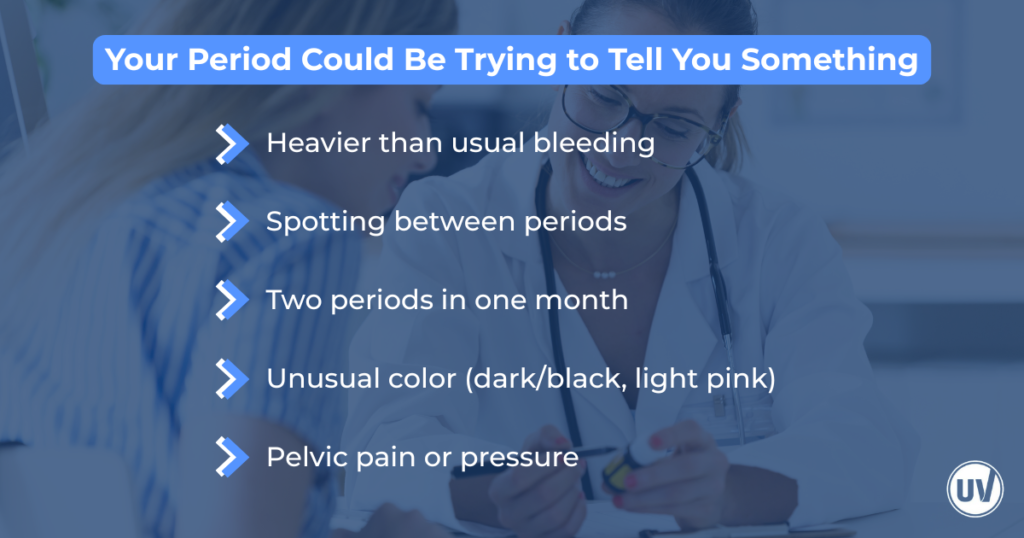
When to See a Healthcare Provider
Frequent irregularities in your period can be a sign to consult a healthcare provider. Persistent changes shouldn’t be ignored.
If you experience severe pain or very heavy bleeding, seek advice promptly. These symptoms may require medical attention.
Consider seeing a provider if you notice:
- Consistent menstrual irregularities
- Severe pelvic pain or cramping
- Unusually heavy or prolonged periods
Timely consultation can help identify any underlying issues. Early intervention ensures better management of your uterine health.
Diagnosing the Cause of Irregular Periods
Accurate diagnosis is crucial for effective treatment. Healthcare providers use several methods to determine causes.
Your doctor may ask about your medical history and symptoms. Physical exams can provide further insights.
Common diagnostic tools include:
- Ultrasounds for uterine abnormalities
- Blood tests for hormone levels
- Imaging tests for structural issues
These tests help identify specific conditions, like fibroids or hormonal imbalances. Early diagnosis supports targeted and effective care for irregular periods.
Supporting Your Uterine Health: Lifestyle and Self-Care
Caring for your uterine health involves simple, everyday choices. These habits can make a real difference.
Regular exercise and a balanced diet support hormone balance. They also aid in maintaining a healthy weight, essential for menstrual regularity.
Stress reduction is equally important. Activities like yoga and meditation can help. These practices promote emotional well-being.
Try incorporating these habits:
- Eat a balanced, nutritious diet
- Engage in regular physical activity
- Practice stress-reducing techniques
These lifestyle modifications can enhance your body’s ability to manage menstrual cycles. A proactive approach helps maintain long-term uterine health.
Frequently Asked Questions
Yes. Changes in your cycle, such as heavier bleeding, spotting between periods, or more frequent cycles, can sometimes indicate fibroids. Not every irregular period is caused by fibroids, but persistent changes should be evaluated by a specialist.
If you notice sudden changes in flow, frequency, or color, or experience pelvic pain or pressure, it’s a good idea to schedule a consultation. Early evaluation helps identify underlying causes and opens up more treatment options.
Absolutely. Minimally invasive treatments, like uterine fibroid embolization, can relieve symptoms without traditional surgery. A fibroid specialist can help determine the best option based on your symptoms, fibroid size, and personal goals.
Take Charge of Your Uterine Health
Understanding your body gives you confidence and control. Paying attention to changes in your menstrual cycle and knowing what signs to watch for can help you take proactive steps in managing your uterine health.
Partnering with a trusted healthcare specialist makes all the difference. Open conversations about symptoms and concerns allow you to explore personalized treatment options and find care that fits your life.
At United Fibroid & Vascular Centers, we focus on patient-centered, minimally invasive care to help you feel informed, supported, and empowered. Schedule a consultation today to take the first step toward understanding and managing your fibroid health.