
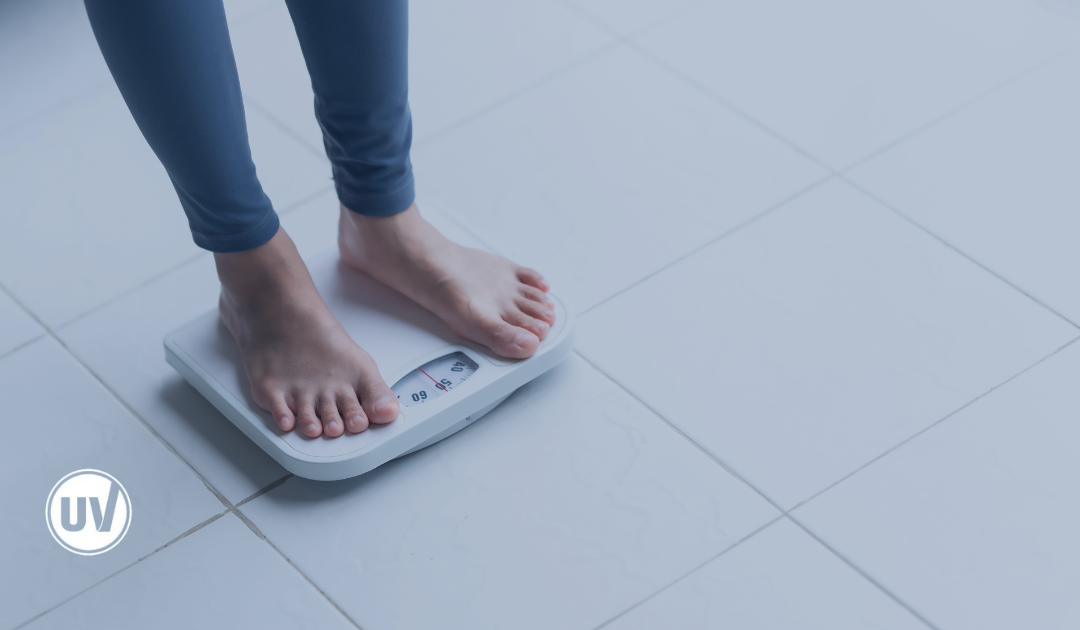
Weight changes, hormone shifts, and fibroids are more connected than many women realize. If you’ve noticed changes in your symptoms during different phases of life, or after gaining or losing weight, you’re not imagining it.
Fibroids are common, noncancerous growths of the uterus, and their behavior is closely tied to the body’s hormonal environment, particularly estrogen and progesterone. Because weight can influence hormone levels, even small changes may affect fibroid growth or symptom severity for some women.
Hormonal fluctuations throughout the menstrual cycle, as well as during major life stages like puberty, pregnancy, and menopause, can also play a role in how fibroids develop and how they feel day to day. For some, this means heavier periods or pelvic discomfort; for others, symptoms may shift or improve over time.
Understanding Uterine Fibroids and Hormonal Imbalance
Uterine fibroids are non-cancerous tumors that grow in or on the uterus. They can be as small as a pea or as large as a grapefruit. The exact cause of fibroids is unknown, but hormones play a significant role.
Fibroids are most common in women of reproductive age. High levels of estrogen and progesterone can promote their growth. These hormones regulate the menstrual cycle and are vital for reproductive health.
A hormonal imbalance can worsen fibroid symptoms or contribute to their development. Fibroids may cause symptoms like heavy menstrual bleeding, pelvic pain, and pressure. Not every woman with fibroids will experience symptoms, though.
Various factors can contribute to hormonal imbalance:
- Stress
- Poor diet
- Lack of exercise
- Certain medical conditions
Understanding fibroids’ link to hormonal imbalance can help women manage their symptoms. Regular monitoring and a balanced lifestyle are crucial. Consultation with healthcare providers is essential for personalized care.
Addressing hormonal imbalance may involve lifestyle changes, dietary adjustments, or medical interventions. By managing hormone levels, women can find relief from fibroid symptoms. Knowing the signs can lead to earlier intervention and improved quality of life.
The Role of Hormones in Fibroid Growth
Hormones, particularly estrogen and progesterone, are crucial in regulating the female reproductive system. In the context of fibroids, these hormones stimulate fibroid growth. Estrogen tends to promote cell proliferation, making fibroid growth more likely.
During the menstrual cycle, hormone levels fluctuate naturally. These fluctuations can impact fibroid growth and symptom severity. High hormone levels, particularly estrogen, can make fibroids grow faster and larger.
Fibroids have more estrogen and progesterone receptors than typical uterine muscle cells. This makes them highly responsive to hormonal changes. Consequently, any shifts in hormone levels can directly affect fibroid behavior.
Several factors influence hormone levels:
- Age
- Genetic factors
- Lifestyle habits
- Body weight
Notably, obesity is linked to higher estrogen production. Fat cells convert other hormones into estrogen, leading to increased levels. This can exacerbate fibroid growth and symptoms.
Life stages such as puberty, pregnancy, and menopause bring significant hormonal changes. During these times, fibroid growth or symptom changes are common. Monitoring hormone levels during these stages can help in managing fibroids effectively.
Understanding how hormones affect fibroids allows for better management strategies. Healthcare providers can tailor treatments based on hormonal assessments, improving outcomes for women with fibroids.
How Weight Changes Influence Hormonal Balance and Fibroids
Weight changes can significantly affect hormonal balance, impacting fibroid growth and symptoms. Fat tissue can produce estrogen, raising hormone levels in the body, which can promote fibroid development.
Gaining weight, especially around the abdomen, can increase estrogen production. This higher estrogen level can accelerate fibroid growth or worsen symptoms like heavy bleeding and pain.
Conversely, weight loss can help lower estrogen levels. A reduction in body fat may lead to a decrease in excess estrogen, potentially slowing fibroid growth.
Maintaining a healthy weight supports overall hormone balance. This balance can prevent excessive hormonal stimulation of fibroids, improving symptom management.
Several factors contribute to weight changes, such as:
- Diet
- Physical activity
- Metabolic rate
- Stress levels
Each of these factors interacts with hormonal pathways in unique ways. For instance, a balanced diet and regular exercise can promote hormonal health and weight management.
Lifestyle changes such as improving diet quality and increasing physical activity can benefit women with fibroids. These adjustments can help regulate hormone levels naturally, providing a non-invasive approach to fibroid management.
The Menstrual Cycle, Hormonal Fluctuations, and Fibroid Symptoms
The menstrual cycle involves significant hormonal fluctuations that influence fibroid symptoms. Estrogen and progesterone levels rise and fall throughout the cycle, affecting fibroid behavior.
During the first half of the cycle, estrogen levels increase. This hormone can stimulate fibroid growth and cause the lining of the uterus to thicken.
As the cycle progresses, progesterone levels rise. This hormone can also impact fibroids, potentially affecting their size and symptoms.
Some common symptoms associated with fibroids during the menstrual cycle include:
- Heavy or prolonged menstrual bleeding
- Intense menstrual cramps
- Pelvic pressure or pain
- Spotting between periods
Hormonal fluctuations can lead to variability in symptom severity. Some women experience more pronounced symptoms during certain phases of their cycle.
Understanding how the menstrual cycle affects fibroids can help in managing symptoms. Tracking cycles and symptoms provides insights into patterns, which aids in creating effective management strategies.
Awareness of these connections enhances proactive health measures. It empowers women to seek timely advice and tailored care based on their unique cycles.
Life Stages: Puberty, Pregnancy, Perimenopause, and Menopause
Hormonal changes throughout a woman’s life stages greatly impact fibroid behavior. These phases include puberty, pregnancy, perimenopause, and menopause.
During puberty, the onset of menstruation introduces hormonal fluctuations. Increased production of estrogen and progesterone can promote the initial development of fibroids.
Pregnancy also brings significant hormonal shifts. Elevated hormones, particularly estrogen, can temporarily increase fibroid size. However, fibroids often shrink after childbirth due to hormonal stabilization.
Perimenopause marks the transitional phase leading to menopause. During this time, hormone levels fluctuate unpredictably, which can impact fibroid symptoms and growth patterns.
Menopause itself brings a natural decline in estrogen. This often results in the shrinkage of fibroids due to decreased hormonal support.
Women may experience different fibroid-related symptoms during each life stage, which might include:
- Increased fibroid growth during pregnancy
- Variable symptoms during perimenopause
- Symptom relief following menopause
Recognizing these stage-specific hormone influences is crucial. It aids in understanding the expected changes in fibroid behavior and planning appropriate care strategies tailored to each life phase.
Recognizing Symptoms and When to Seek Care
Fibroids can present a variety of symptoms that differ in severity and impact. Understanding these signs is essential for timely intervention.
Common symptoms include heavy menstrual bleeding, prolonged periods, and pelvic pain. Additionally, fibroids may cause frequent urination or constipation due to pressure on nearby organs.
Some women may also experience discomfort during sexual activity. Unexplained fatigue can occur as a result of anemia from heavy bleeding.
Recognizing when to seek medical help is crucial. If any of these symptoms disrupt your daily life or cause concern, consulting a healthcare professional is advised.
Situations warranting immediate attention include excessive blood loss, severe pain, or fertility challenges. Early detection and intervention can prevent complications and promote better outcomes.
Awareness and proactive care enable women to manage fibroids effectively and maintain quality of life. Consider discussing your symptoms with a doctor to explore management options and personalized strategies.
Lifestyle Strategies for Hormonal Balance and Fibroid Management
Lifestyle changes can play a pivotal role in managing fibroids and promoting hormonal balance. Simple adjustments can lead to significant health benefits.

A balanced diet can support hormonal health. Focus on incorporating a variety of fruits, vegetables, and whole grains. These foods can help maintain a healthy weight and stabilize hormone levels.
Regular physical activity is also beneficial. Engaging in exercise helps regulate hormones and manage weight, reducing fibroid-related risk factors.
Stress management techniques, such as yoga or meditation, can further aid hormonal regulation. Reducing stress can contribute to overall well-being and fibroid symptom relief.
Here are some strategies to consider:
- Maintain a healthy diet rich in fiber
- Engage in regular exercise, like walking or cycling
- Practice stress-reducing activities
By integrating these lifestyle strategies, women can support their hormonal health and improve fibroid management outcomes. It’s important to adapt changes that suit personal preferences and health needs.
Treatment Options: From Lifestyle to Minimally Invasive Procedures
Managing fibroids effectively can involve a range of treatment options. These options vary based on severity and personal health goals.
For more direct intervention, non-surgical treatments are available. Medications can help manage symptoms or reduce fibroid size. These can include hormonal therapies like GnRH agonists.
Minimally invasive procedures offer another approach. Uterine fibroid embolization is a technique that shrinks fibroids by cutting off their blood supply. This procedure is known for quicker recovery and less risk compared to surgery.
Each treatment plan should be personalized, considering individual health needs and reproductive goals. Discussing options with a healthcare provider can ensure the best approach for managing fibroids.
Frequently Asked Questions
Weight gain may increase estrogen levels in the body, which can contribute to fibroid growth or worsen symptoms for some women. While weight changes alone don’t cause fibroids, maintaining a healthy balance can play a role in symptom management and overall hormonal health.
Yes. Hormonal shifts during puberty, pregnancy, and menopause can influence fibroid size and symptoms. Some women experience increased symptoms during reproductive years, while others notice changes or improvement as hormone levels decline, especially approaching menopause.
In many cases, yes. Minimally invasive treatments—such as uterine fibroid embolization—can effectively manage fibroids without major surgery. A fibroid specialist can help determine which treatment options align best with your symptoms, health goals, and lifestyle.
Empowerment, Support, and Next Steps
Managing fibroids starts with understanding your body, and recognizing that you have options. By learning how hormonal changes and weight can influence fibroid growth and symptoms, you’re better equipped to take an active role in your health and make decisions with confidence.
Equally important is partnering with a healthcare provider who listens, explains, and works with you to create a plan that fits your life. The right care team can help you explore treatment options based on your symptoms, goals, and overall health.
If fibroids are affecting your daily life, United Fibroid & Vascular Centers is here to help. Our specialists focus on patient-centered, minimally invasive care and take the time to answer your questions and discuss options tailored to you. Taking the next step starts with a conversation, and support is closer than you may think.